
Last updated November 15, 2026
 Wrought iron
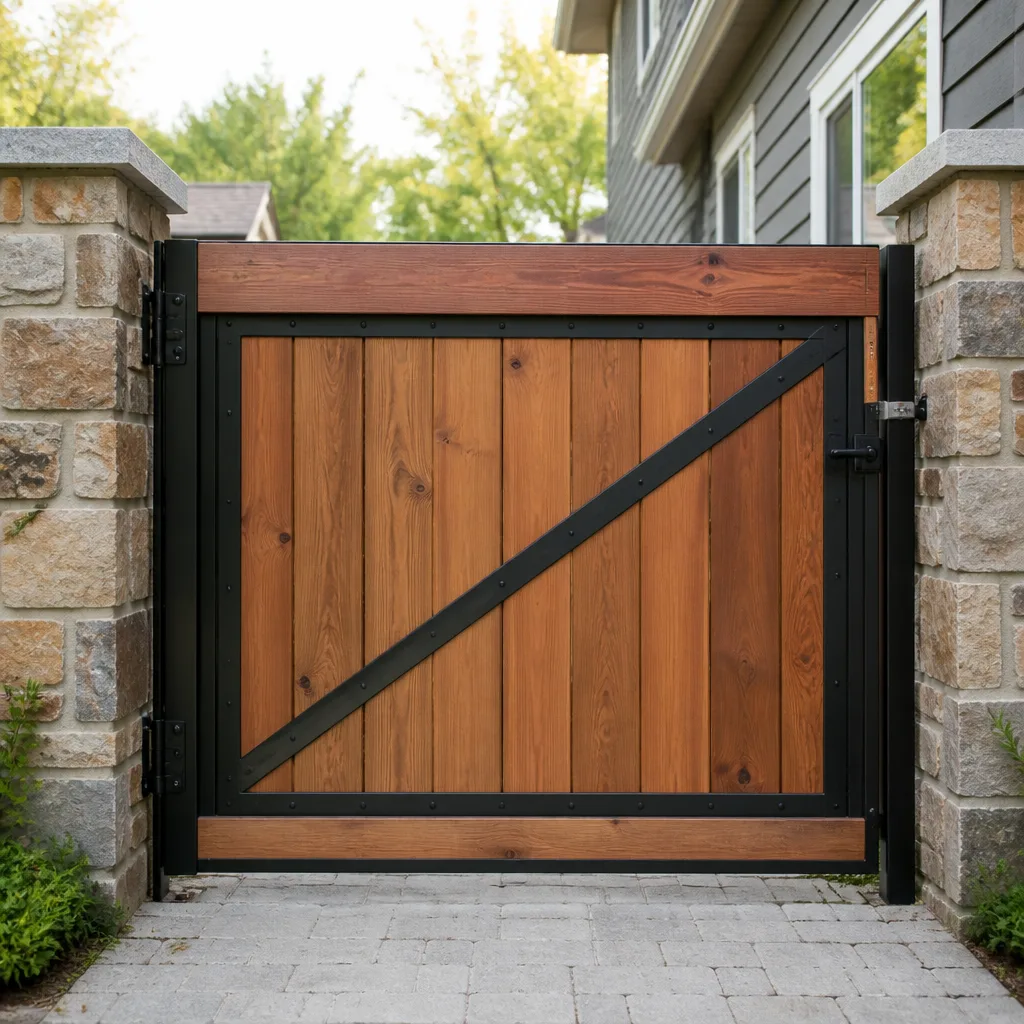 Wood & steel frame
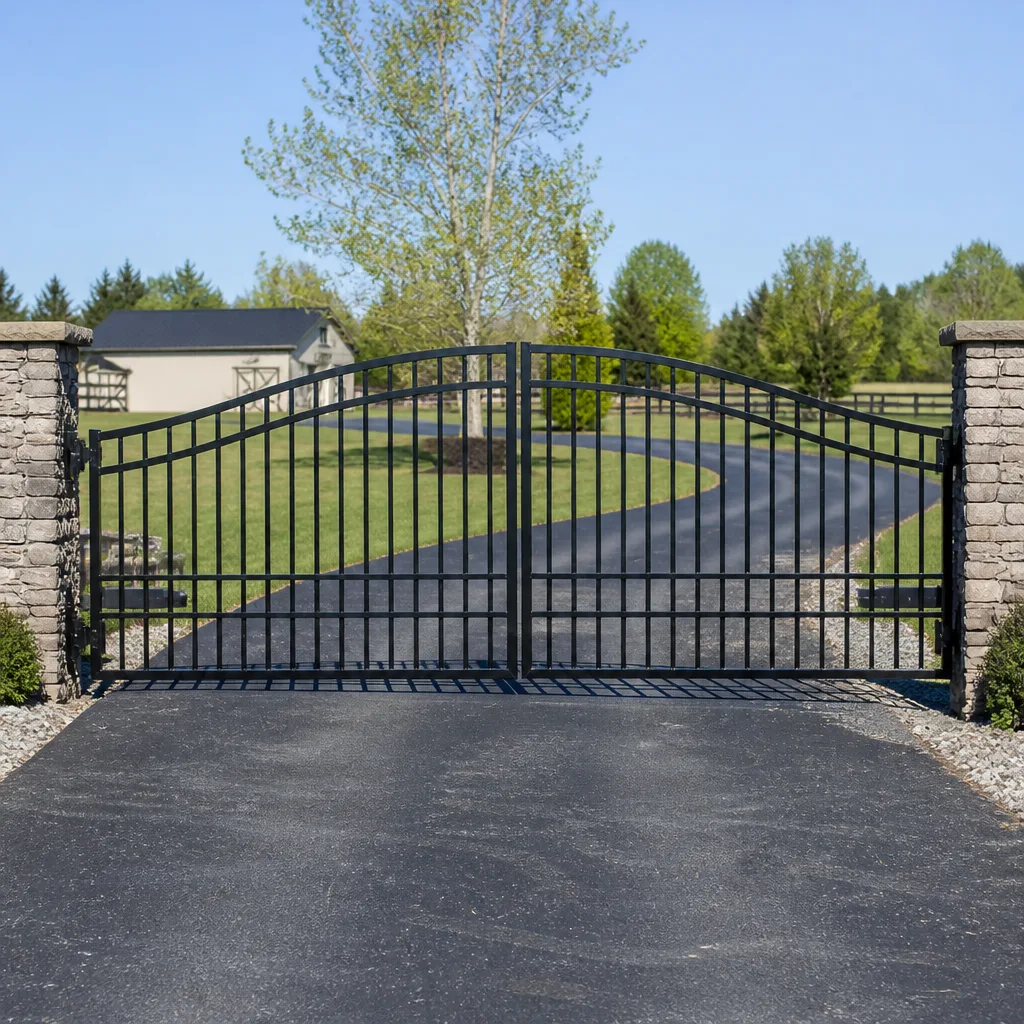 Farm & ranch
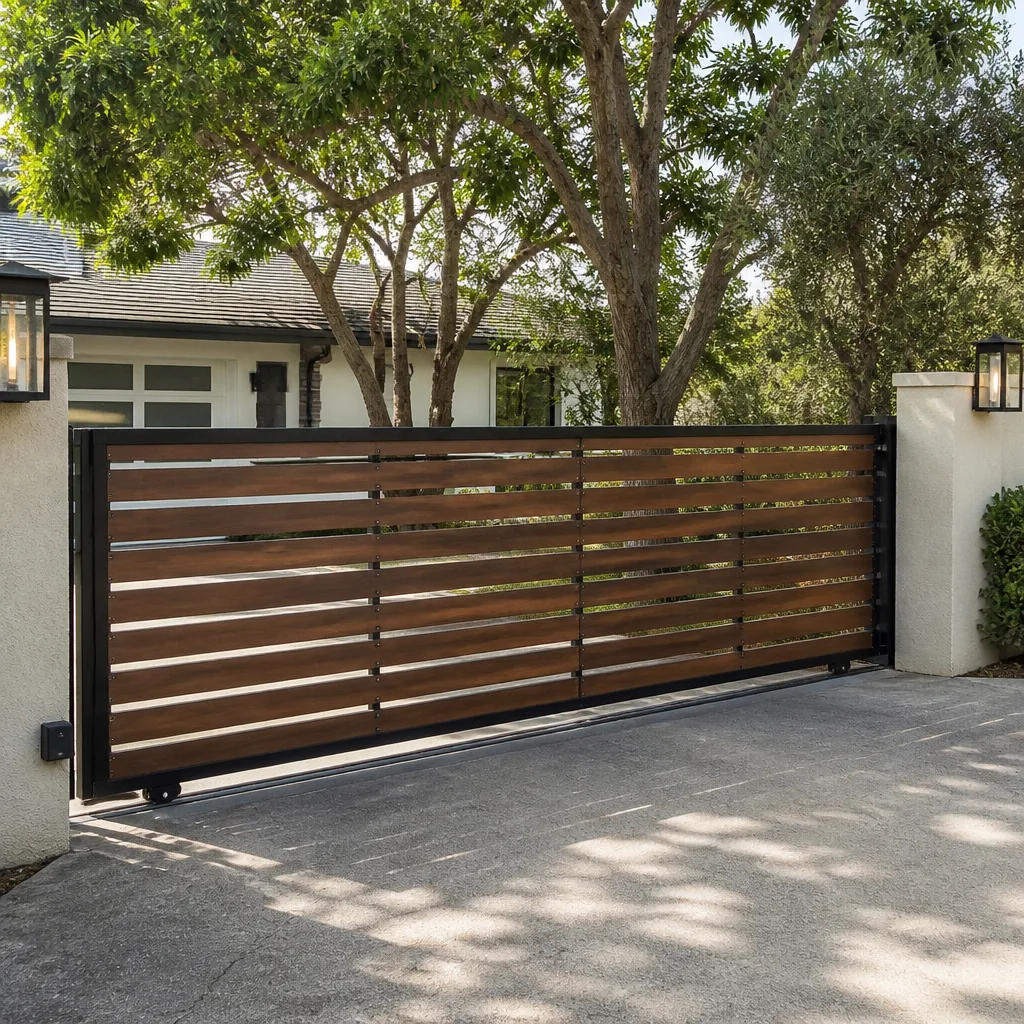 Sliding driveway gates
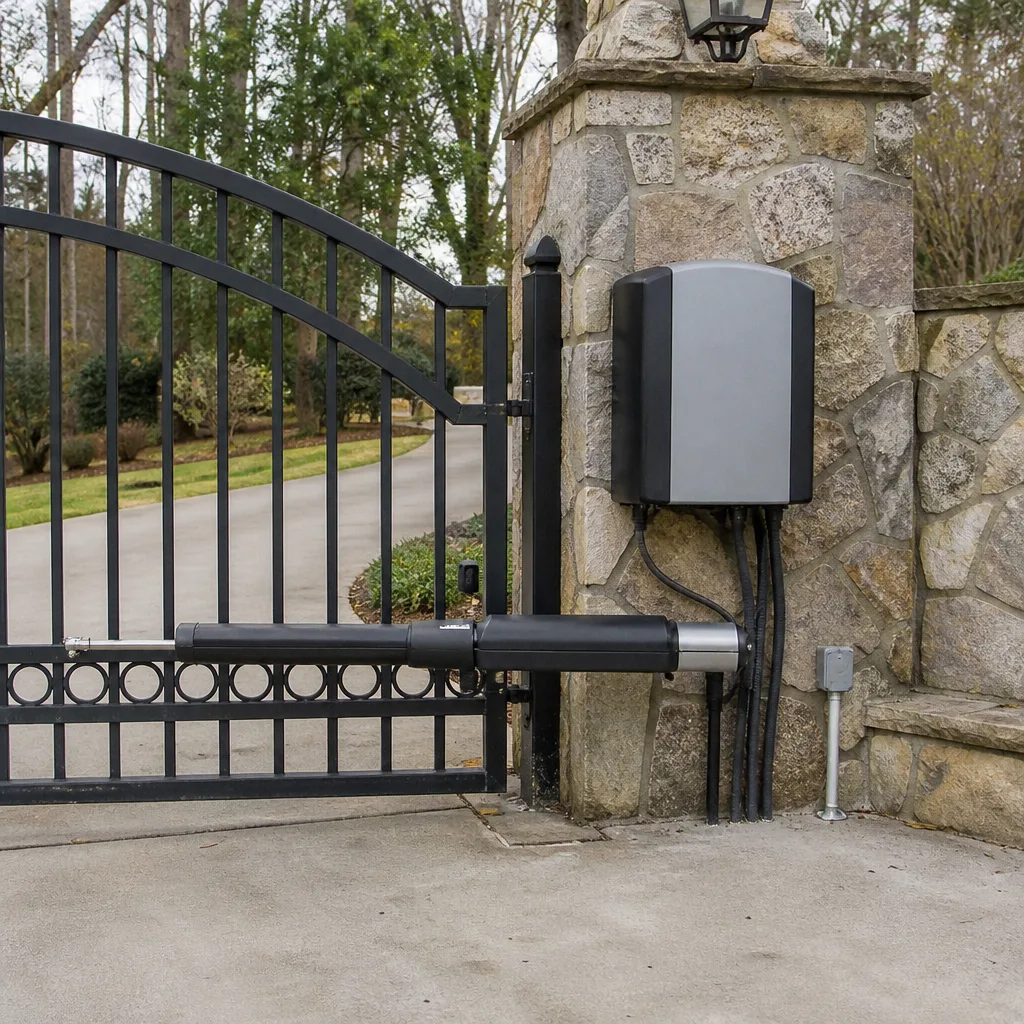 LiftMaster operators
Free on-site gate assessment - hinges, posts, and your LiftMaster or Nice gate operator checked before anything is quoted
The assessment is free and the quote is the invoice.
Get your free estimateGate Repair Maintenance Checklist for Georgetown Homeowners
Most gate maintenance advice gets repeated word for word from national templates, and most of it is written for a climate that isn’t ours. The standard “lubricate the hinges twice a year and you’re fine” line assumes mild summers and stable ground. Neither describes Georgetown in July, when a slide gate operator can run hot enough that chain stretch and roller wear move noticeably faster than the calendar suggests. That gap matters: the common twelve-month inspection habit is often already behind schedule by the time a homeowner notices a gate dragging or a remote that only works up close. This guide lays out a checklist built around how gates actually fail here, with component-specific intervals, pass/fail thresholds you can judge yourself, and a clear line between what you can check and what needs a technician.
Quick Answer
A gate maintenance checklist for Georgetown should test five systems on different schedules: safety devices and the manual release monthly, the track and rollers quarterly, chain or belt tension and drive wear quarterly in summer, post plumb and gate balance twice a year, and the operator’s wiring, battery backup and control board annually. The checklist earns its keep by catching stretch, misalignment and grounding problems early, because those three account for the large majority of the repair calls we handle in Williamson County.
Styles & brands we work with
- Wrought iron
- Wood & steel frame
- Farm & ranch
- Sliding driveway gates
- LiftMaster operators
Table of Contents
- Why Georgetown Heat Changes Your Inspection Intervals
- The Monthly Check: Safety Devices and Manual Release
- The Quarterly Check: Track, Rollers and Drive Wear
- Testing Gate Balance and Post Plumb Correctly
- Chain, Belt and Screw Drive Wear in High-UV Conditions
- Electrical and Grounding Checks for Georgetown Properties
- The Printable Pass/Fail Checklist
Why Georgetown Heat Changes Your Inspection Intervals
The single biggest mistake in gate maintenance is treating every month the same. Heat load changes wear rates, and central Texas summers put a gate operator through more thermal cycling than the same unit would see in a cooler part of the country. Metal expands during the day and contracts at night, and a chain or belt asked to hold tension through that cycle stretches faster than a manufacturer’s generic service interval anticipates. The typical result is a gate that starts the season running smoothly and finishes it with a sag in the chain and a remote that has to be pressed twice.
What that means for a Georgetown homeowner is simple: compress the schedule during the warm months and relax it in winter. We recommend treating the quarterly checks as monthly checks from late spring through early fall, then returning to the standard interval once temperatures settle. Winters here are mild enough that cold-weather gate problems are rare, so the effort is better spent on the heat side of the calendar.
UV exposure compounds the issue. Sun degrades plastic and rubber components faster than heat alone: roller wheels flat-spot, safety edge rubber hardens, and wire insulation on exposed runs gets brittle. A gate that sits in full afternoon sun on a west-facing driveway will always wear faster than one shaded by trees or a fence line.
- Shoulder seasons: standard quarterly inspection is adequate.
- Hot months: run the quarterly check monthly, especially on slide gates and any operator running several cycles an hour.
- Full-sun installations: inspect safety edges and exposed wiring twice as often as shaded gates.
- High-cycle properties: a gate that cycles more than a handful of times an hour needs the quarterly check on a monthly cadence year-round.
The Monthly Check: Safety Devices and Manual Release
Safety devices are the one part of a gate system you should not wait a season to test. A photoelectric beam that has drifted out of alignment, a safety edge that no longer reverses, or a loop detector that misses a car are all failure modes that show up quietly and only matter when someone is in the path. A gate is a heavy moving object, and the protective systems around it deserve a monthly pass.
The test itself is quick and needs no tools:
- With the gate closed, block the photoelectric beam with your hand or a board. The gate should not begin to open, and if it’s mid-travel it should stop or reverse.
- Press the safety edge (the rubber strip on the leading edge of the gate) while the gate is closing. It should reverse immediately.
- Engage the manual release and physically move the gate by hand through its full travel. It should move freely. If it’s stiff or binds, the mechanism needs attention before you re-engage the operator.
- Re-engage the release fully and run one cycle to confirm the operator re-learned its limits.
If any of those tests fail, stop using the gate automatically and book a repair. A safety device that doesn’t reverse is the most serious fault on a residential gate. Call electric gate repair rather than run it manually in the meantime.
One more monthly task: check the battery backup on the operator if it has one. Many modern operators, including Mighty Mule and Ghost Controls units common on Georgetown residential gates, carry a battery that keeps the gate operable during a power interruption. A battery that no longer holds a charge won’t announce itself until the power goes out, so test it by pulling the AC disconnect and confirming the gate still cycles.
The Quarterly Check: Track, Rollers and Drive Wear
Slide gates live or die on their track, and the track is the component most affected by the ground beneath it. In Georgetown, the soil moves with the seasons: clay-heavy ground swells with spring rain and shrinks in dry summer stretches. That movement is subtle, but over a year it can shift a post enough to throw a track out of line, and an out-of-line track grinds rollers flat.
Quarterly, walk the full length of the track and look for these signs:
- Roller flat-spotting: a roller that has worn flat on one side will thump or grab as the gate travels. Flat spots mean the roller is binding, usually because of a track alignment or debris issue.
- Debris in the track channel: leaves, dirt, and small gravel collect in an open track and act as an abrasive. Clear it every quarter.
- Visible track misalignment: lay a straightedge or a string line along the track. Any visible bow means the posts or the track mounts have moved.
- Loose mounting hardware: check the bolts holding the track and any post brackets. A single loose bolt lets the track shift under load.
On swing gates, the quarterly check is about hinges and the operator arm. Grease the hinges (sparingly, since excess grease attracts grit), inspect the operator arm for wear at the pivot points, and check that the gate doesn’t sag at the latch end. A swing gate that drops even a quarter inch at the latch tells you the hinge post is moving or the hinge bearings are worn.
This is also the right cadence for a visual pass on the operator’s control board and enclosure. Look for insect nests, moisture, or heat discoloration. A control board that’s been running hot for months will fail eventually, and catching it early is cheaper than a full operator replacement.
Testing Gate Balance and Post Plumb Correctly
Gate balance is the test most homeowners skip, and it’s the one that reveals structural problems before they become expensive. An unbalanced gate forces the operator to work harder every cycle, which shortens the life of every drive component. The test is straightforward and needs no special tools.
For a swing gate:
- Disengage the operator and open the gate to roughly the halfway point (about 45 degrees).
- Let go. A properly balanced gate stays in place. A gate that swings open on its own is falling away from plumb at the hinge post; a gate that swings shut is leaning the other way.
- Open the gate to 90 degrees and release it. It should stay put. If it drifts, the hinge post has moved or the hinges are worn.
For a slide gate:
- Disengage the operator and roll the gate halfway along the track by hand.
- Release it. A balanced gate stays still. One that rolls toward the open or closed end on its own is running on a grade or has a roller binding unevenly.
- Check that the gate rides level the whole way. Any rise or dip means the track or the supporting posts have shifted.
Post plumb is the other half of the test. Use a level against the hinge post or the track support posts. A post that’s out of plumb by even a small amount will show up as a gate that binds at one end of its travel. In Georgetown, soil movement is the usual culprit, and a post that’s moved early usually needs re-setting rather than a quick shim job. If your balance test shows a gate that swings or rolls on its own, that’s a call to a technician for gate repair, because the fix depends on whether the problem is the post, the hinges, or the track.
Chain, Belt and Screw Drive Wear in High-UV Conditions
Each drive type shows wear differently, and knowing which signs matter saves you from chasing the wrong fix. Residential and light-commercial operators in Georgetown span the range: chain drive (the most common, found on many LiftMaster and Elite units), belt drive (quieter, common on lighter gates), and screw drive (common on older or simpler operators). Commercial-grade operators like FAAC, BFT and DoorKing systems use heavier drives that follow the same principles at a larger scale.
Chain drive
Chain stretch is the signature failure in a hot climate. A chain that started life at correct tension will, over a season of thermal cycling, develop visible sag on its return run. Some sag is normal; a sag that lets the chain drag or slap indicates the chain has stretched past its adjustment range and should be replaced rather than tightened again. Check chain lubrication quarterly, but use a chain-specific lubricant, not grease. Excess lubricant attracts grit that wears the chain faster.
Belt drive
Belts are quieter and, on a light gate, a good choice, but UV exposure degrades the belt material. Look for cracking at the cog teeth, glazing on the belt surface, and slack that a tensioner can no longer take up. A belt that’s cracked or glazed should be replaced before it fails mid-cycle.
Screw drive
Screw drives are durable but need the screw itself kept clean and lubricated. A dry screw drive will run rough and accelerate wear on the drive nut. In a dusty environment, the screw picks up grit, so wipe it clean before re-lubricating each quarter.
In our experience, chain stretch and belt degradation account for a large share of the drive problems we see in Georgetown. Catching a slack chain early is cheap; letting one drag on a sprocket until it wears through is not.
Electrical and Grounding Checks for Georgetown Properties
The electrical side is where homeowners should not improvise. The operator’s power supply, its low-voltage control wiring, and its grounding connection all sit in the zone where a mistake can hurt you. What you can and should do is a visual inspection, and what you should not do is open a live enclosure or rewire a grounding connection.
What to check, visually and with the power off:
- Exposed wire runs: any wire outside conduit should be inspected for sun-cracking and animal damage. Faded, cracked insulation needs replacement.
- Enclosure seals: operator enclosures should be sealed against moisture and insects. A cracked gasket or an open knock-out lets in water.
- Ground connection: confirm the operator is grounded and the grounding conductor is intact and firmly connected. Don’t loosen it to test; if it looks compromised, call a technician.
- Low-voltage control wiring: check the connections at the safety devices and the keypad for corrosion and looseness.
Here’s a local wrinkle that many national checklists miss: whether the property is on well water or municipal water often correlates with differences in how the electrical system is grounded, and a gate operator that shares a grounding system with an irrigation pump or a well pump can pick up interference or lose its reference ground. We’ve diagnosed intermittent operator faults in Georgetown that traced back to a grounding path shared with other equipment on the property. If your gate has faults that come and go without a clear trigger, that’s a pattern worth a professional look. Our technicians have up to 13 years of experience tracking down exactly this kind of fault, and a specialist who works only on gates will recognize it faster than a general electrical contractor.
We answer 24/7 on the phone line, and fast dispatch runs from 7am to 7pm. If you see a scorched wire or smell burning, stop using the gate and call. Call Gate Repair Georgetown for a same-day diagnosis.
The Printable Pass/Fail Checklist
Print this and keep it near the gate. A pass is a pass; a fail is a call. Set thresholds are written as observable conditions so you don’t have to guess what “worn” means.
Monthly
- [ ] Photoelectric beam blocked by hand: gate refuses to open or reverses. Pass / Fail
- [ ] Safety edge pressed while closing: gate reverses immediately. Pass / Fail
- [ ] Manual release engaged: gate moves freely by hand through full travel. Pass / Fail
- [ ] Battery backup test (if equipped): gate still cycles with AC disconnected. Pass / Fail
- [ ] Visual: no error lights on the operator. Pass / Fail
Quarterly (monthly in summer)
- [ ] Track clear of leaves, dirt and gravel. Pass / Fail
- [ ] Rollers round, no flat spots, no visible binding. Pass / Fail
- [ ] Track straight along its full length (straightedge or string line). Pass / Fail
- [ ] All track and post mounting bolts tight. Pass / Fail
- [ ] Chain sag within adjustment range; no drag or slap. Pass / Fail
- [ ] Belt free of cracking, glazing or slack beyond tensioner take-up. Pass / Fail
- [ ] Screw drive clean and lubricated; drive nut not worn rough. Pass / Fail
- [ ] Hinges greased lightly; no sag at the latch end on swing gates. Pass / Fail
Twice a year
- [ ] Balance test: swing gate holds at 45 and 90 degrees; slide gate holds at mid-travel. Pass / Fail
- [ ] Posts plumb within a small margin (checked with a level). Pass / Fail
- [ ] Exposed wiring insulation intact; no sun cracks. Pass / Fail
- [ ] Operator enclosure sealed; no insect nests or moisture inside. Pass / Fail
- [ ] Ground connection intact and firmly connected (visual only). Pass / Fail
Annually
- [ ] Control board inspected for heat discoloration or corrosion (power off). Pass / Fail
- [ ] Operator limits and travel re-checked for drift. Pass / Fail
- [ ] Full system test: safety devices, manual release, drive, and battery. Pass / Fail
If you have more than a couple of fails on the same gate, that’s the signal to have the whole system looked at rather than patching one part at a time. A gate is a system, and a fault in one component usually stresses the others. When you’re ready to schedule a visit, a free estimate from electric gate repair will tell you exactly what needs work and what can wait.
Common Mistakes to Avoid
- Following a national interval instead of a local one. The generic “twice a year” advice is written for mild climates. In Georgetown’s summers, that interval lets chain stretch and roller wear get ahead of you. Compress the schedule in the hot months.
- Greasing everything. Excess grease on hinges, chains or tracks collects grit and accelerates wear. Use the right lubricant in the right amount. A dry track is better than a greasy, grit-filled one.
- Skipping the manual release test. Homeowners often test the remote and call it done. The manual release is what lets you move the gate if the operator fails or the power goes out, and it needs to work before you need it.
- Tightening a stretched chain instead of replacing it. Once a chain has stretched past its adjustment range, tightening it just loads the sprocket. Replace the chain.
- Ignoring post movement. A gate that sags at the latch end is usually telling you the post has shifted. Shimming the hinge is a temporary fix that doesn’t address the real problem.
- Working on the electrical side yourself. The operator’s power supply and grounding are not a DIY zone. Visual check only; call a technician for anything beyond that.
- Assuming a remote that works intermittently is a battery problem. Often it’s a receiver, antenna or interference issue. Swapping batteries repeatedly won’t fix a signal problem.
See the difference
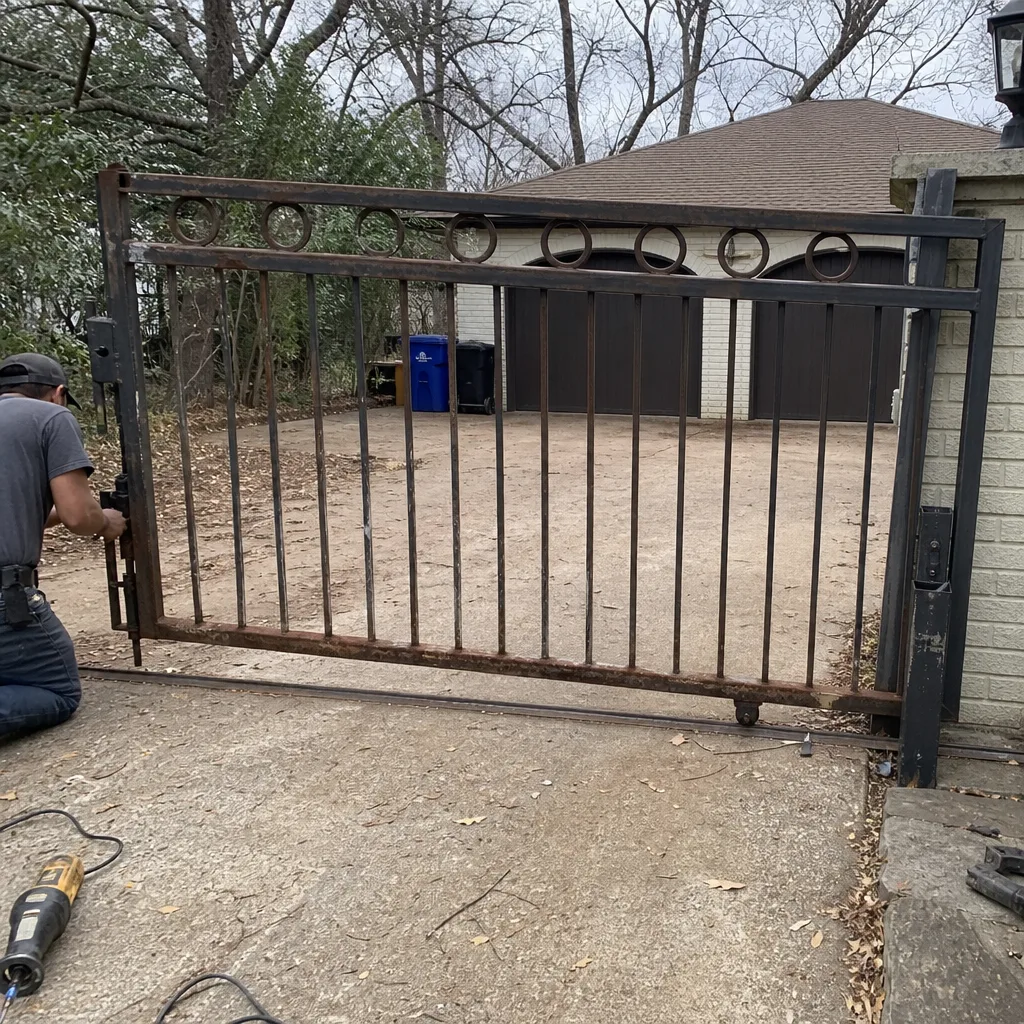 Before
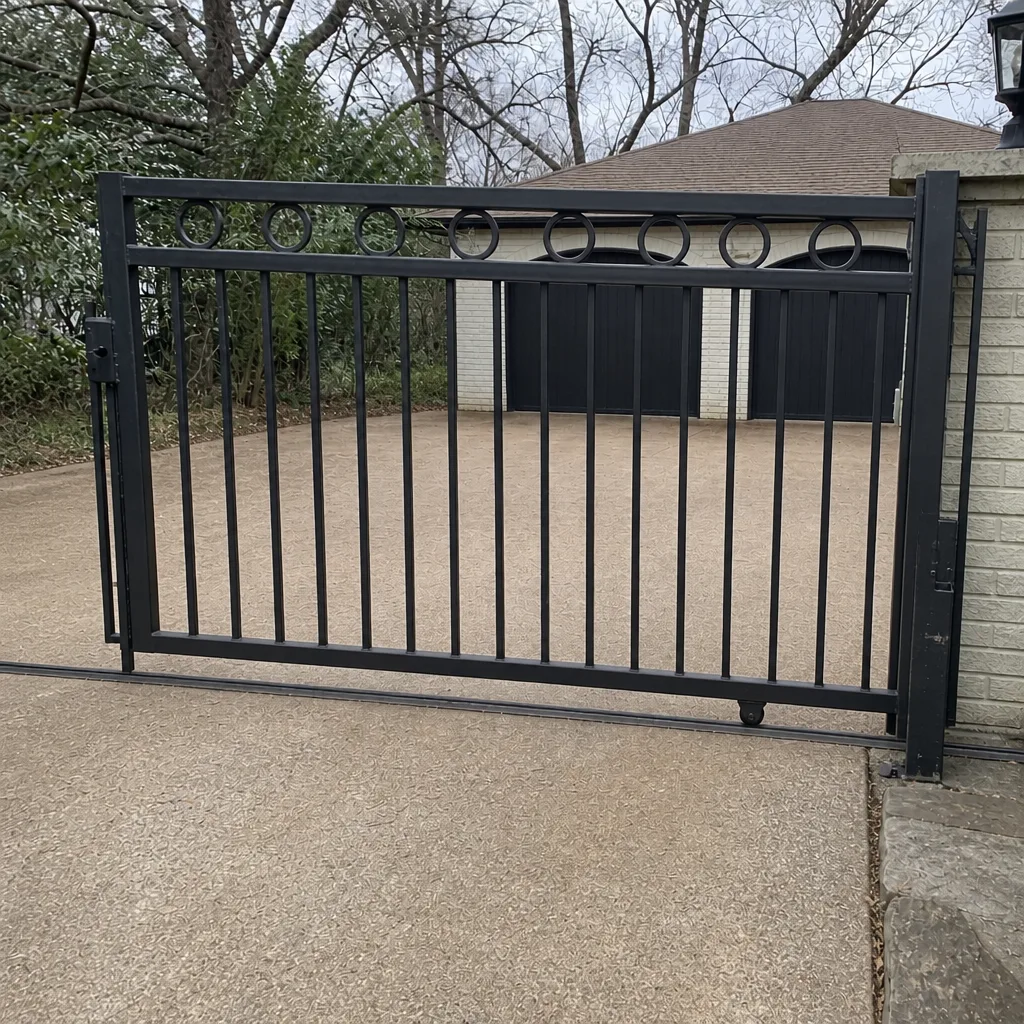 After
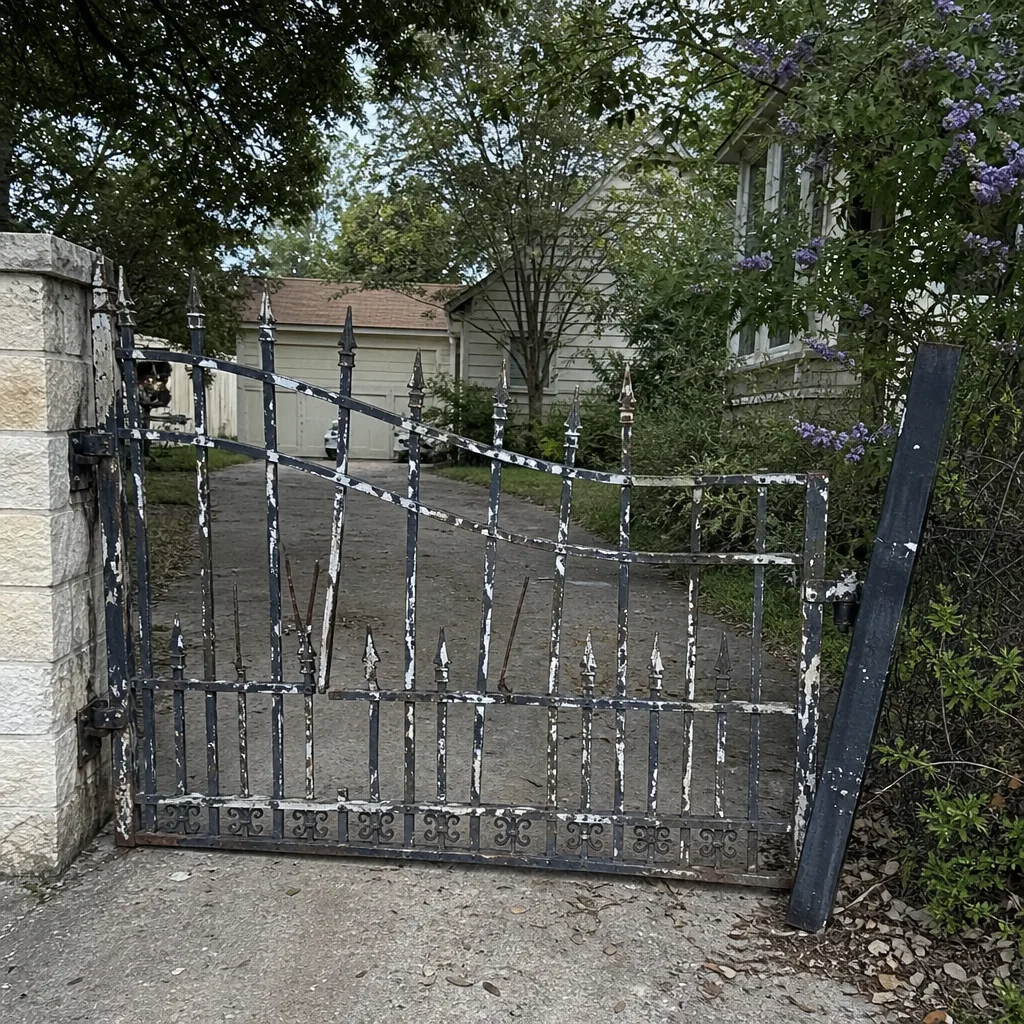 Before
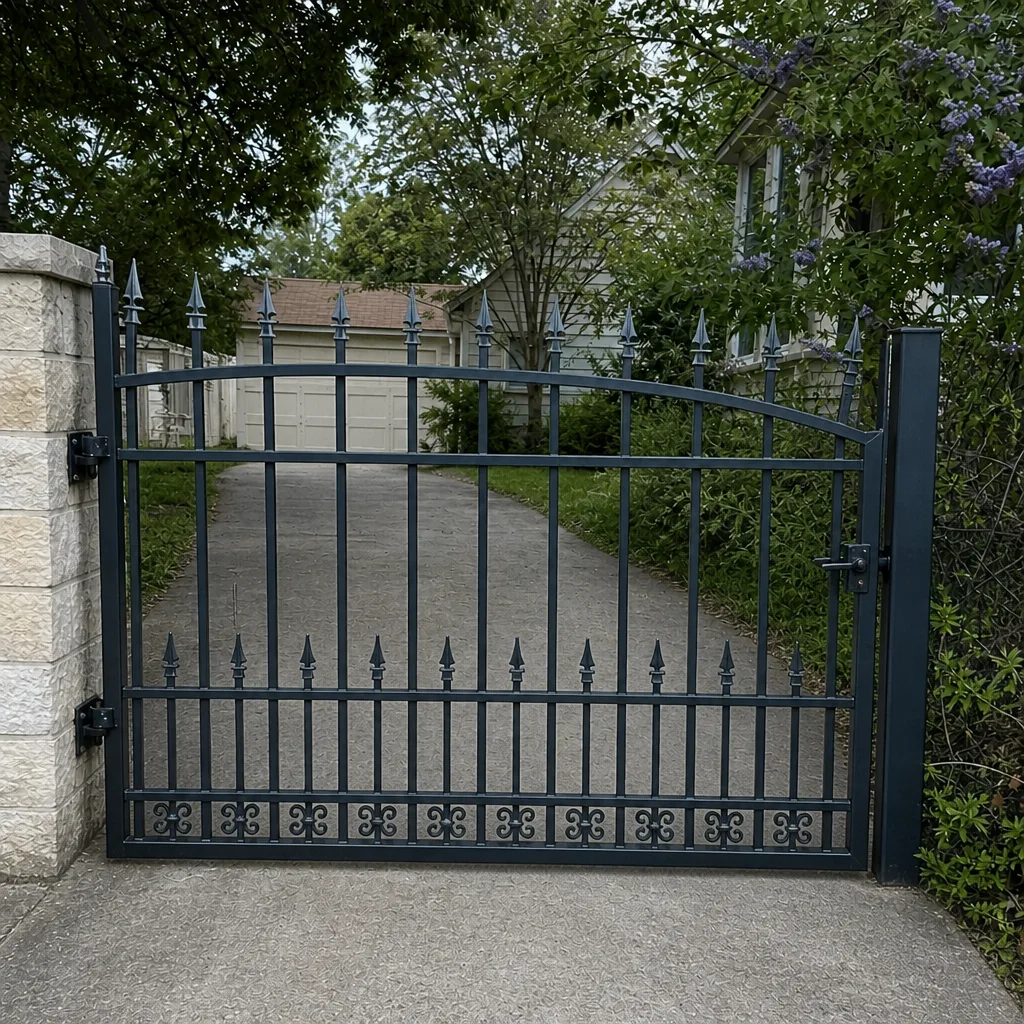 After
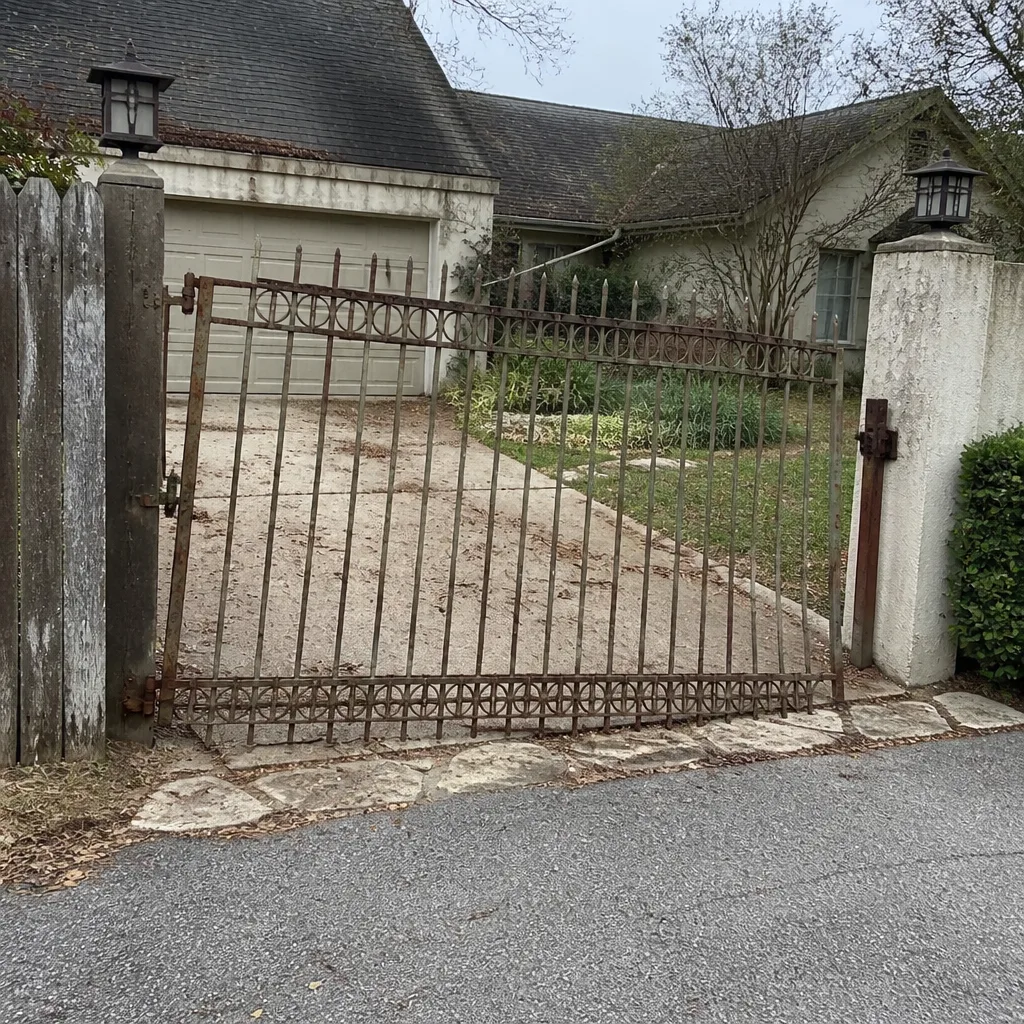 Before
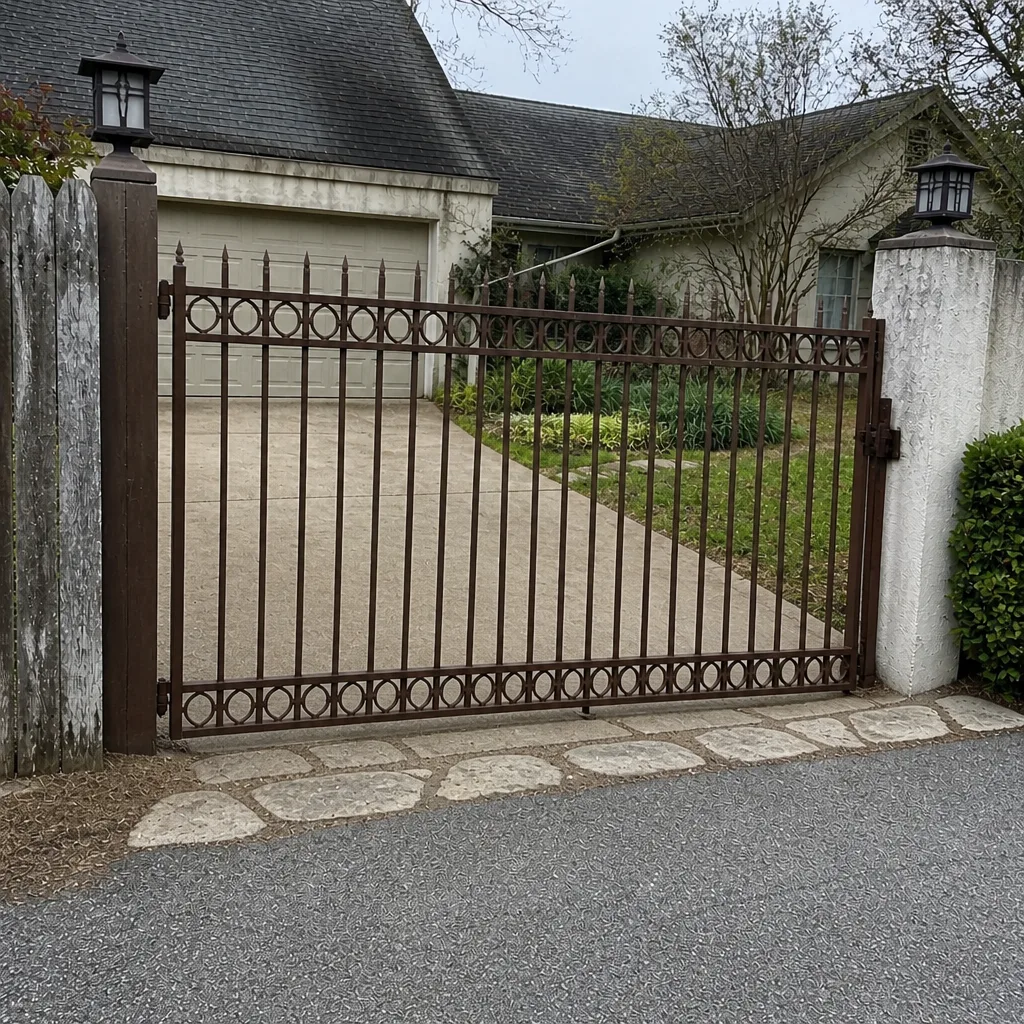 After
When to Call a Professional
Some failures need a specialist. Call a technician if any safety device fails to reverse the gate, if you see scorched wiring or smell burning, if the manual release won’t move the gate freely, if the gate swings or rolls on its own during the balance test, if posts are visibly out of plumb, if the operator throws repeated error codes, or if the gate won’t hold its limits after a reset. Those are all signs the problem is in the system, not in a single part you can swap.
Gate Repair Georgetown offers free estimates in Georgetown. We work only on gates. Whether your operator is a Mighty Mule or a DoorKing system, we know it, and a specialist diagnoses faster because there’s no guesswork about which trade to call next. Call (833) 408-4022. We answer 24/7. Fast dispatch from 7am to 7pm, Sunday through Friday.
Frequently Asked Questions
Inspect the safety devices monthly, the track and drive quarterly, and run the full balance and post check twice a year. In the hot months, treat the quarterly checks as monthly because heat accelerates chain stretch and roller wear. The annual check covers the control board, limits and battery backup.
Yes for the visual and mechanical checks: safety device tests, track clearing, balance tests, and visual wiring inspection. No for anything involving opening the operator enclosure with power on, rewiring, or working on the grounding connection. Those are technician work.
A maintenance visit is priced per job by a written estimate after we look at the gate, so the price reflects the actual condition of the system rather than a flat rate. There’s no service-call fee, and the estimate is free. Call (833) 408-4022 for an exact quote.
Heat is the usual reason in this climate. The chain expands and contracts through the day, and over a summer it stretches past its adjustment range. Replacing the chain is usually the right fix once tightening no longer holds. Slack that lets the chain drag on the sprocket wears it faster, so don’t delay.
Usually a receiver, antenna or interference problem, not a battery. A remote that only works up close points to a weakened signal path. A technician can test the receiver and antenna and trace the cause without replacing parts that aren’t the problem.
Yes. We work on residential and commercial gate operators. Whether it’s a residential Ghost Controls unit or a commercial DoorKing system, we know it. That range matters on properties with a mix of gate types, such as a community entrance gate plus a resident-only side gate.
We answer 24/7. A call outside dispatch hours is booked into the next opening, Sunday through Friday, 7am to 7pm. If a safety device has failed, stop using the gate automatically and wait for the technician rather than force it.
The Bottom Line
A gate maintenance checklist earns its keep when it’s built for the local climate, not copied from a national site. In Georgetown, that means shortening the inspection interval during the hot months, watching chain stretch and roller wear closely, and testing the balance and post plumb twice a year so soil movement doesn’t turn into an emergency repair. The monthly safety check is non-negotiable; the rest follows a schedule that reflects real wear rates. If your checklist turns up more than a couple of fails, or anything on the electrical side looks wrong, call Georgetown specialists who work only on gates and will diagnose the system rather than guess at the part. Call (833) 408-4022. We answer 24/7. Fast dispatch from 7am to 7pm, Sunday through Friday. Estimates are free.
Written by the team at Gate Repair Georgetown.