
Last updated November 15, 2026
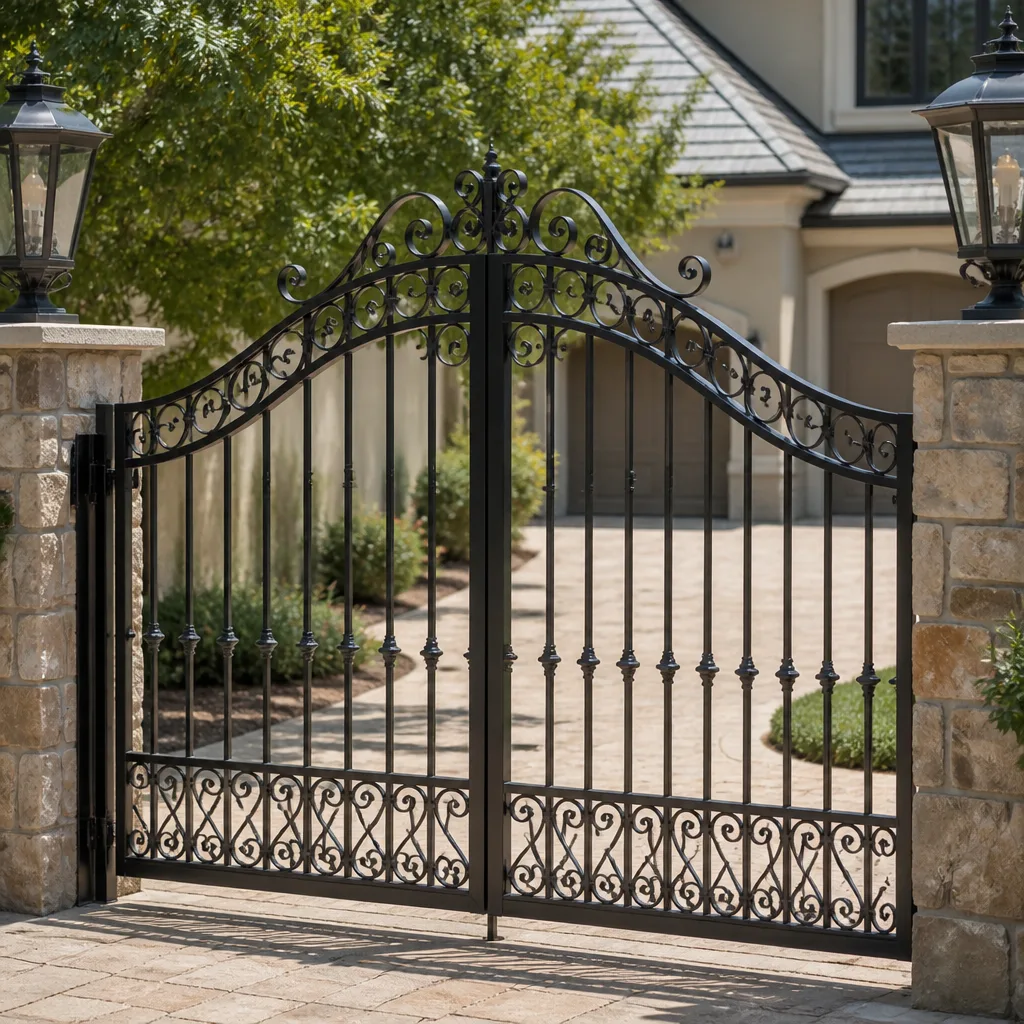 Wrought iron
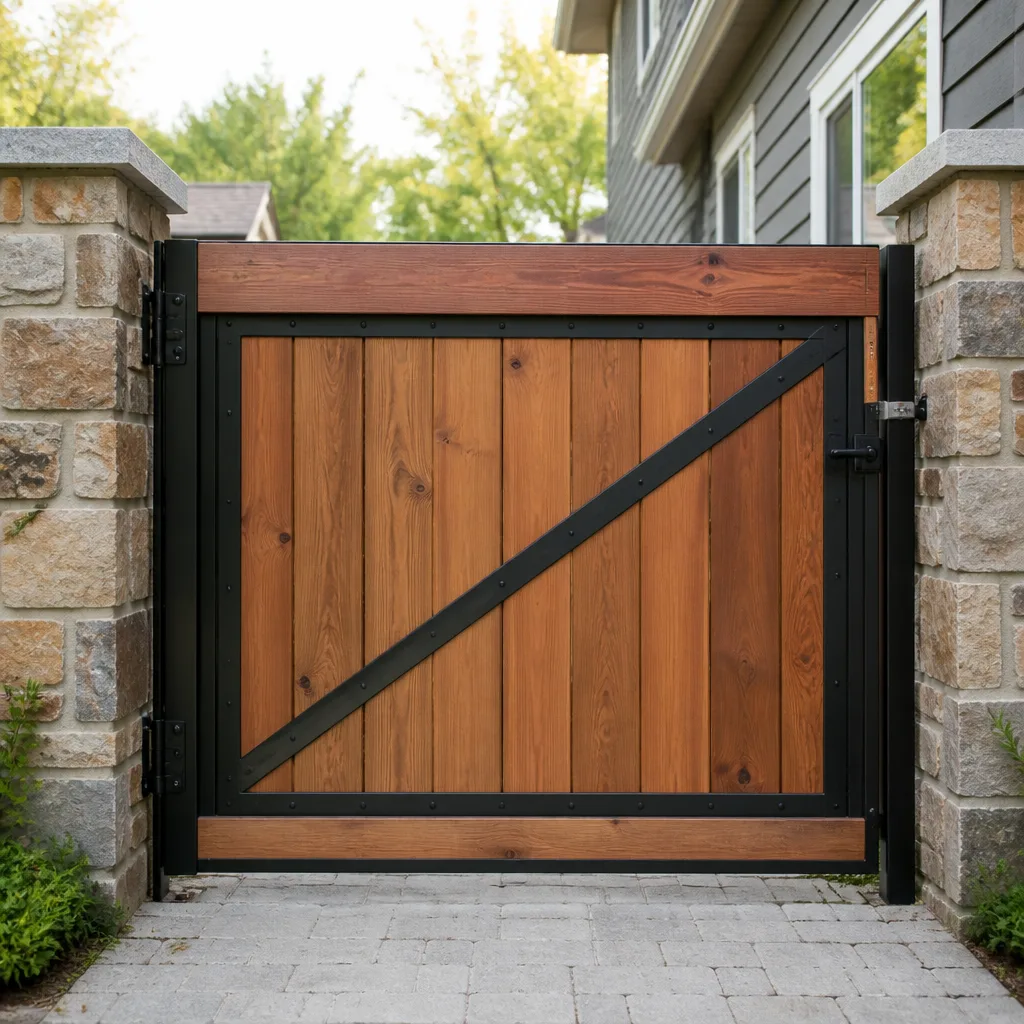 Wood & steel frame
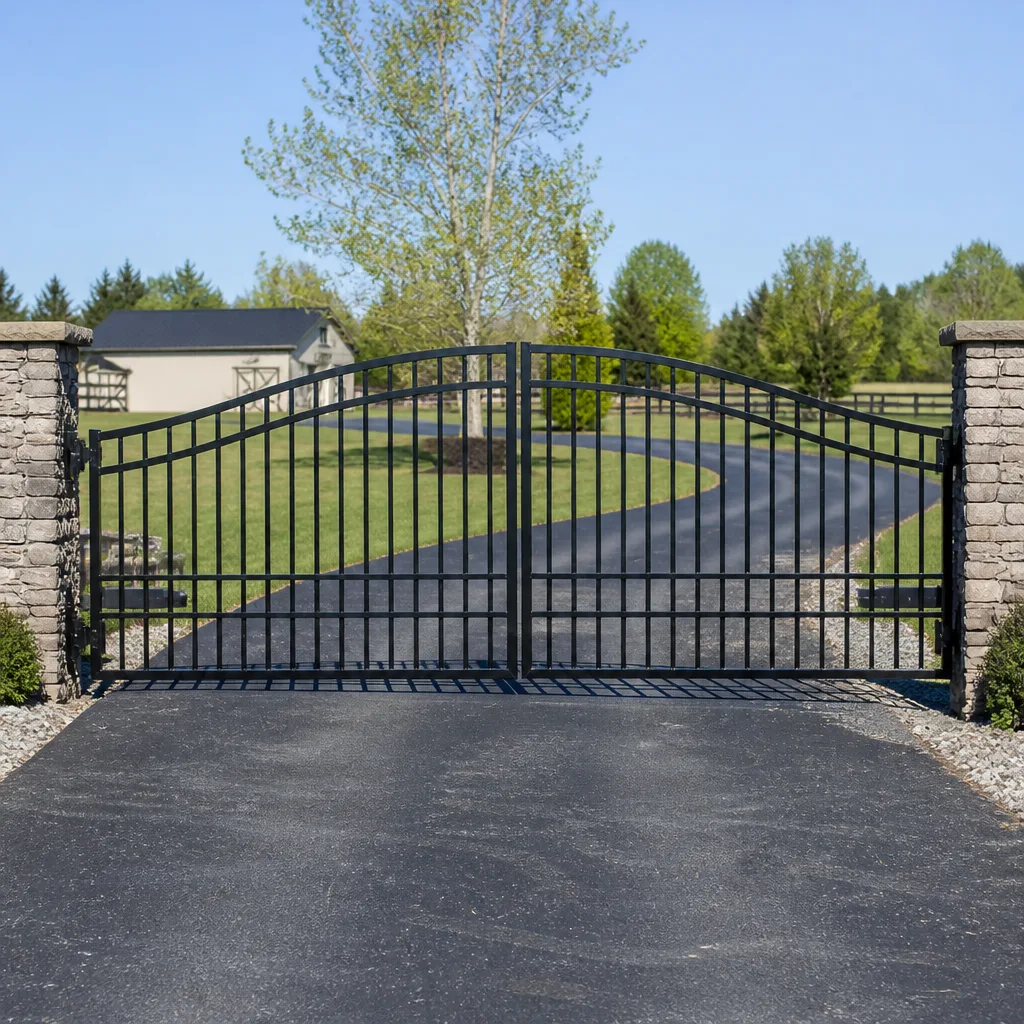 Farm & ranch
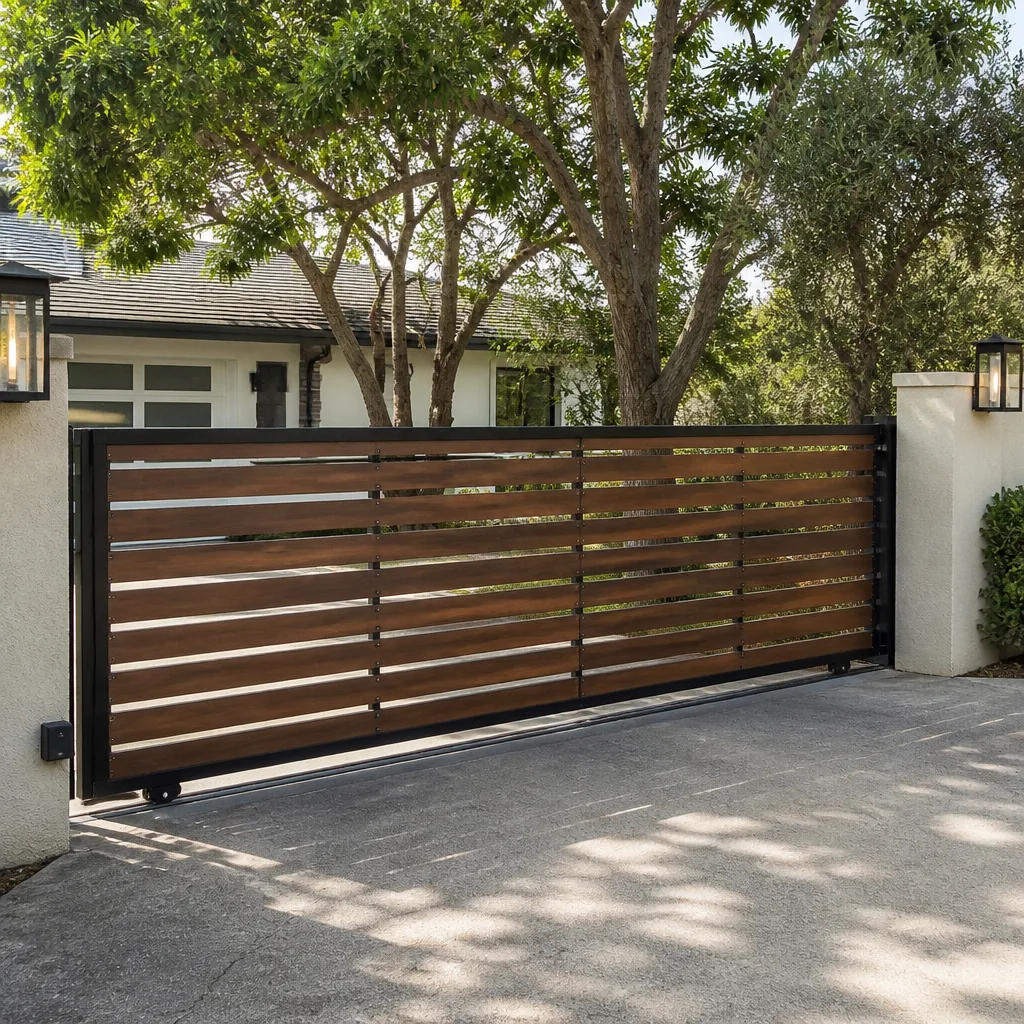 Sliding driveway gates
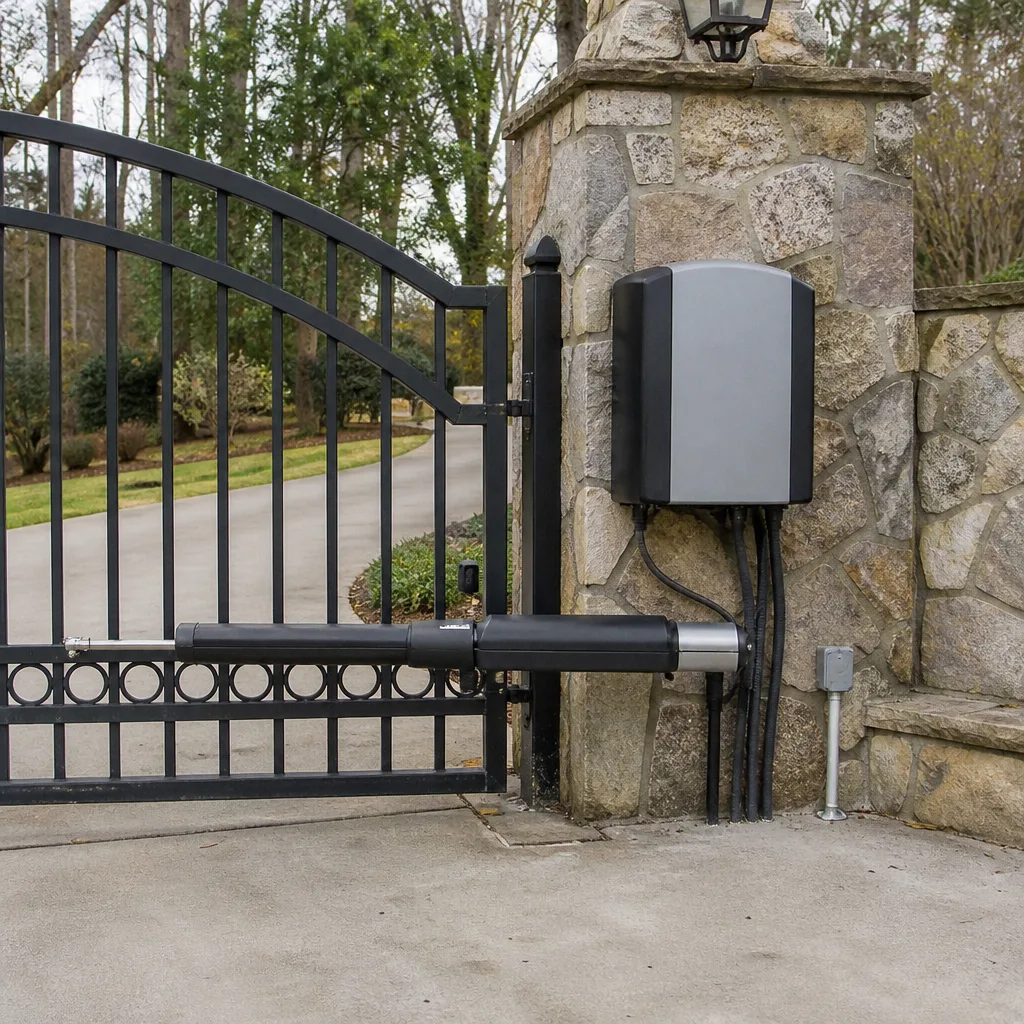 LiftMaster operators
Free on-site gate assessment - hinges, posts, and your LiftMaster or Nice gate operator checked before anything is quoted
The assessment is free and the quote is the invoice.
Get your free estimateChoosing the Right Gate Repair Brand: A Buyer’s Guide for Georgetown
Most gate buyers start with the brand they see in advertising and work backward. That’s the wrong order. A brand that reviews well nationally can still be a poor fit in Georgetown if the nearest parts supplier ships from Austin and the operator has been discontinued since 2021. Regional support infrastructure matters as much as the product rating on a spec sheet. Add Georgetown’s sustained summer heat, which pushes control boards harder than coastal marketing copy ever admits, and brand choice becomes a practical question, not a cosmetic one. This guide covers what actually matters: parts availability in the Georgetown-to-Austin corridor, duty-cycle ratings that match real usage, which brands tolerate heat load, and why UL 325 compliance should filter every option before price enters the conversation.
Quick Answer
The right gate repair brand for a Georgetown property is the one with local parts availability, a service network you can actually reach, and an operator rated for your gate’s weight, width, and daily cycle count, not the one with the most advertising reach. Match the brand to your gate’s real usage first, verify UL 325 compliance second, and confirm that replacement parts ship quickly into central Texas third. Price matters, but it ranks below those three filters for good reason.
Styles & brands we work with
- Wrought iron
- Wood & steel frame
- Farm & ranch
- Sliding driveway gates
- LiftMaster operators
Table of Contents
- Why Local Support Infrastructure Beats National Reviews
- Parts Availability in the Georgetown-to-Austin Corridor
- Matching Duty-Cycle Ratings to How You Actually Use Your Gate
- Which Brands Handle Georgetown Heat Load
- Installer Preference vs. Your Gate’s Actual Requirements
- What UL 325 Compliance Means for You in Practice
- Brand-Specific Snapshot: Operators We Service Most
- How to Evaluate a Brand in Seven Steps
Why Local Support Infrastructure Beats National Reviews
A gate operator is a mechanical and electronic system that will need service at some point. When it does, the question becomes who can get to it and with what parts. That’s the sentence that should drive your brand decision.
Georgetown sits in a specific position in the central Texas service landscape. It’s north of Austin and close enough to the metro that parts distribution exists, but far enough that a supplier who ships “next day” from a regional warehouse can turn into a week if the part isn’t stocked. A brand whose nearest authorized distributor is in Austin and whose replacement boards ship in five days can leave a gate locked open or closed longer than a brand with a regional stockist, even if the Austin brand wins on paper specs.
What to check before committing to a brand:
- Regional parts distribution. Ask where replacement control boards, receivers, and limit switches ship from. If the answer is “out of state,” factor that into the timeline for any future repair.
- Local technician familiarity. A brand that local technicians encounter regularly gets diagnosed faster. One they see once a year invites trial-and-error.
- Documentation and support lines. Manufacturers who keep technical support accessible to independent technicians shorten repair windows. Those who route everything through authorized dealer networks can slow things down in Georgetown.
- Warranty service reach. A strong warranty is only as good as the nearest service point that honors it.
In our experience, the brands that perform well across Georgetown are the ones with a service footprint in the corridor, not the ones with the most prominent national marketing. That’s a different filter than most buyers apply.
Parts Availability in the Georgetown-to-Austin Corridor
Parts availability is the most underrated factor in brand selection. A gate that fails and waits five days for a board is a security gap and a scheduling problem, no matter how good the operator is when it works.
The corridor from Georgetown to Austin carries a reasonable spread of distribution for the operators used in central Texas residential and light commercial work. The brands that come up repeatedly in repair calls here include LiftMaster, Mighty Mule, DoorKing, and Elite, alongside other operators we routinely work on. Each behaves differently when a component fails:
- Mighty Mule is common on residential swing gates and DIY installations. Replacement components are widely stocked, which makes repair timelines predictable.
- LiftMaster has broad distribution reach, so boards and accessories are usually accessible in the corridor without long waits.
- DoorKing serves commercial and multi-unit properties. Its parts network is narrower but reliable for the property types it’s built for.
- Elite sits in the residential and light-commercial space with dependable component access.
None of this is a knock on brands outside that short list. It’s a reminder that a brand’s local footprint is a legitimate selection criterion. When you’re weighing a specific operator, ask the technician where parts ship from. That one question sorts many options quickly.
Matching Duty-Cycle Ratings to How You Actually Use Your Gate
Duty-cycle ratings are the most misunderstood number in gate buying. Manufacturers advertise cycle ratings as a headline spec, and buyers interpret them in the most generous light. Two errors follow: overbuying an operator built for constant commercial traffic on a gate that opens twice a day, and underbuying an operator rated for light use on a gate that opens dozens of times daily.
A cycle is one full open-and-close sequence. Duty-cycle ratings describe how many cycles an operator can handle, and the surrounding thermal and mechanical tolerance they’re built for. Marketing sheets often present a single impressive number without the operating conditions behind it.
Match the rating to your real pattern:
- Count daily cycles for a week. Include deliveries, kids coming and going, and any service vehicles. Don’t estimate from memory.
- Add peak-day cycles. A single busy day (a gathering, a delivery window, a service visit) can exceed a full week of ordinary use.
- Check the operator’s rating against the real number, not the theoretical one. A residential operator rated comfortably above your count is right-sized. One rated at the edge of your usage is underbuying.
- Consider gate weight and width. A wide, heavy gate loads an operator’s motor and gear train harder than a standard swing gate, effectively shortening its usable life at the same cycle count.
- Factor in summer heat. Operators run hotter in sustained high temperatures, which is a thermal consideration independent of the mechanical rating.
Most buyers overkill or underbuy. Rarely do they right-size. In Georgetown, where residential properties can span from a standard driveway swing gate to a long-approach slide gate, the right answer varies more than a single national spec sheet suggests.
Which Brands Handle Georgetown Heat Load
Georgetown summers sit above 95°F for extended stretches. That matters for a gate operator in a way coastal or northern marketing copy never addresses. Control boards, capacitors, and motor windings all age faster under sustained heat, and a board that tolerates occasional heat spikes can still degrade faster in a central Texas summer than a spec sheet implies.
Brand behavior under heat load breaks down broadly into three patterns:
- Operators with generous thermal headroom. These tend to be built for commercial or high-cycle environments, with larger enclosures and component spacing that tolerates heat. DoorKing operators used on multi-unit properties in Georgetown generally sit in this group.
- Residential operators with adequate cooling paths. LiftMaster operators installed with attention to enclosure placement and ventilation often hold up well through Texas summers.
- Entry-level and DIY-grade operators. These can perform fine when they’re right-sized for their cycle count and shaded well, but sustained heat accelerates wear on aging boards and housings. Mighty Mule installations on lightly used residential gates fit here, provided the operator isn’t stretched past its rating.
Three practical factors protect any brand from heat:
- Shade the enclosure. Placement matters. A board in direct afternoon sun runs hotter than the same board in shade.
- Keep the enclosure ventilated. Clear obstructions and avoid boxing in the housing.
- Service the battery and board before summer. A pre-season check catches the capacitor and board degradation that heat events tend to expose.
No brand is heat-proof. But selecting a brand with realistic thermal headroom for your cycle count is a meaningful difference in how a Georgetown gate holds up by August.
Installer Preference vs. Your Gate’s Actual Requirements
A brand your technician prefers is a legitimate signal, but it’s not the whole answer. Installers favor brands for a range of reasons: reliability, ease of installation, parts access, warranty support, and installer margin. All of those are valid. None of them replaces the question of whether the operator fits your gate.
The distinction matters most at replacement time. A brand that’s excellent for a 12-foot residential swing gate may be a poor fit for a 20-foot slide gate with a heavy steel frame. A commercial operator that handles constant traffic is overkill on a gate that opens a dozen times a day, and the extra cost doesn’t buy you resilience you’ll actually use.
When evaluating a recommendation:
- Ask what the brand was chosen for. Fit, parts access, or installer convenience? All three are valid, but knowing which is driving the recommendation helps.
- Confirm the operator is rated for the gate’s weight and width, not just the general category. Wrong-sized operators fail early regardless of brand quality.
- Ask what happens if the brand is discontinued. A brand with a long production history for a component means parts stay available longer. Ask whether the operator has a stable successor line.
- Check the accessories. A brand with limited accessory options (safety edges, photocells, keypads, remotes) constrains your options later.
We work across a wide range of brands in Georgetown, from residential operators to commercial-grade units, and the recommendation we give depends on the gate and the usage pattern. Not every good brand is the right brand for every gate.
What UL 325 Compliance Means for You in Practice
UL 325 is the safety standard for gate operators. It’s the non-negotiable filter when evaluating any brand, more important than price, cycle rating, or installer preference.
In practice, UL 325 compliance means the operator is designed to work with specific safety devices: entrapment protection such as safety edges, photocell sensors, and (for some configurations) monitored switches that stop or reverse the gate when an obstruction is detected. The standard defines what those devices must do, when they must trigger, and how the operator must respond. For a buyer, this translates to protection against a gate closing on a person, vehicle, or pet, and against costly liability if something happens.
What to verify in any brand you consider:
- Listed compliance. The operator should be listed as UL 325 compliant. This isn’t a marketing claim; it’s a consumer-protection floor.
- Safety device compatibility. Confirm the operator supports the safety edges and photocells needed for your installation. A brand that limits device options narrows your protection.
- Monitored vs. unmonitored devices. Monitored safety devices provide a higher level of protection and are increasingly required in installations with greater risk. Ask before you buy.
- Installation and code alignment. Georgetown gate installations may require permits or review depending on the property type and location. Ask your city’s building department about permit requirements before install, and confirm installation follows the operator’s required safety devices.
Cutting corners on UL 325 compliance is not a cost-saving measure. It’s the one filter that shouldn’t be negotiable.
Brand-Specific Snapshot: Operators We Service Most
The brands here come up repeatedly in our gate repair work across Georgetown. This isn’t a ranking; it’s a field guide to what each brand does well and where its limits appear.
- LiftMaster. Strong all-around distribution, broad accessory compatibility, and a well-understood platform. Common on residential gates in Georgetown and reliably serviceable. Good fit for standard swing and slide installations where parts access matters.
- Mighty Mule. Entry-level residential operator, often DIY-installed. Works fine when right-sized and shaded, but demands attention to cycle rating. Heat exposure accelerates wear on aging boards.
- DoorKing. Commercial and multi-unit focused. Handles sustained cycle loads better than residential operators, with strong thermal headroom. A good fit for community gates, apartment properties, and commercial entries in Georgetown.
- Elite. Residential and light-commercial operator with dependable parts access. A reasonable middle-ground option for properties that need more than entry-level but less than a heavy commercial unit.
Beyond this short list, we also service other operators across the residential and commercial range, including electric gate repair on automated systems. When we evaluate a new installation, we ask the same questions of every brand: what’s the cycle count, how heavy is the gate, where do parts ship from, and does the operator meet UL 325? Those four answers narrow the field quickly.
How to Evaluate a Brand in Seven Steps
This is the process we’d walk any Georgetown buyer through before committing to a brand for a new install or replacement.
- Define your real cycle count. Track daily and peak usage for a week. Don’t rely on memory or a spec sheet’s marketing headline.
- Measure your gate. Weight and width drive operator sizing. A wrong-sized operator fails early regardless of brand quality.
- Confirm UL 325 compliance. Non-negotiable, before any price discussion.
- Ask where parts ship from. A brand with regional distribution shortens future repair windows. One with out-of-state parts can leave a gate locked for days.
- Check installer familiarity. Brands that local technicians see often get diagnosed faster and serviced more reliably.
- Review accessory compatibility. Safety edges, photocells, keypads, and remote options constrain your protection and convenience later.
- Get a written estimate. Ask for the brand recommendation, the sizing rationale, and the parts lead time in writing before you commit. Our estimates are free and there’s no charge to walk through the options.
If you’re replacing an existing operator, add a step zero: identify what’s currently installed. Brand-fluency matters most when we’re diagnosing a failure. Knowing the brand tells us where to look first, which parts to have on hand, and whether the operator should be repaired or replaced. That’s a different question than brand selection for a new install.
Common Mistakes to Avoid
- Choosing the brand with the best national reviews. Reviews are a proxy for reliability, not for parts access in your area. A well-reviewed brand with a five-day ship time for replacement boards is a worse choice in Georgetown than a slightly less-lauded brand with local stock.
- Buying on cycle rating alone. Spec sheets list a headline number. Real usage, gate weight, and summer heat all change the effective rating. Right-size to your count, don’t overbuy or underbuy.
- Ignoring safety device compatibility. UL 325 compliance is a floor, not a checkbox. Confirm the operator supports the safety edges and photocells needed for your property before you buy.
- Underestimating summer heat. Gate operators in Georgetown see sustained temperatures above 95°F. Entry-level operators in direct sun fail faster than well-shaded ones. Enclosure placement matters.
- Treating installer preference as the whole answer. Installer recommendation is a valid input, not a substitute for sizing the operator to your gate.
- Skipping the permit question. Gate installs on some properties in Georgetown need permits or review. Ask your city’s building department before installation starts.
- Choosing on cheapest bid. A bid that ignores duty cycle, UL 325, and parts availability costs more over time. Ask for the sizing rationale in writing before you commit.
See the difference
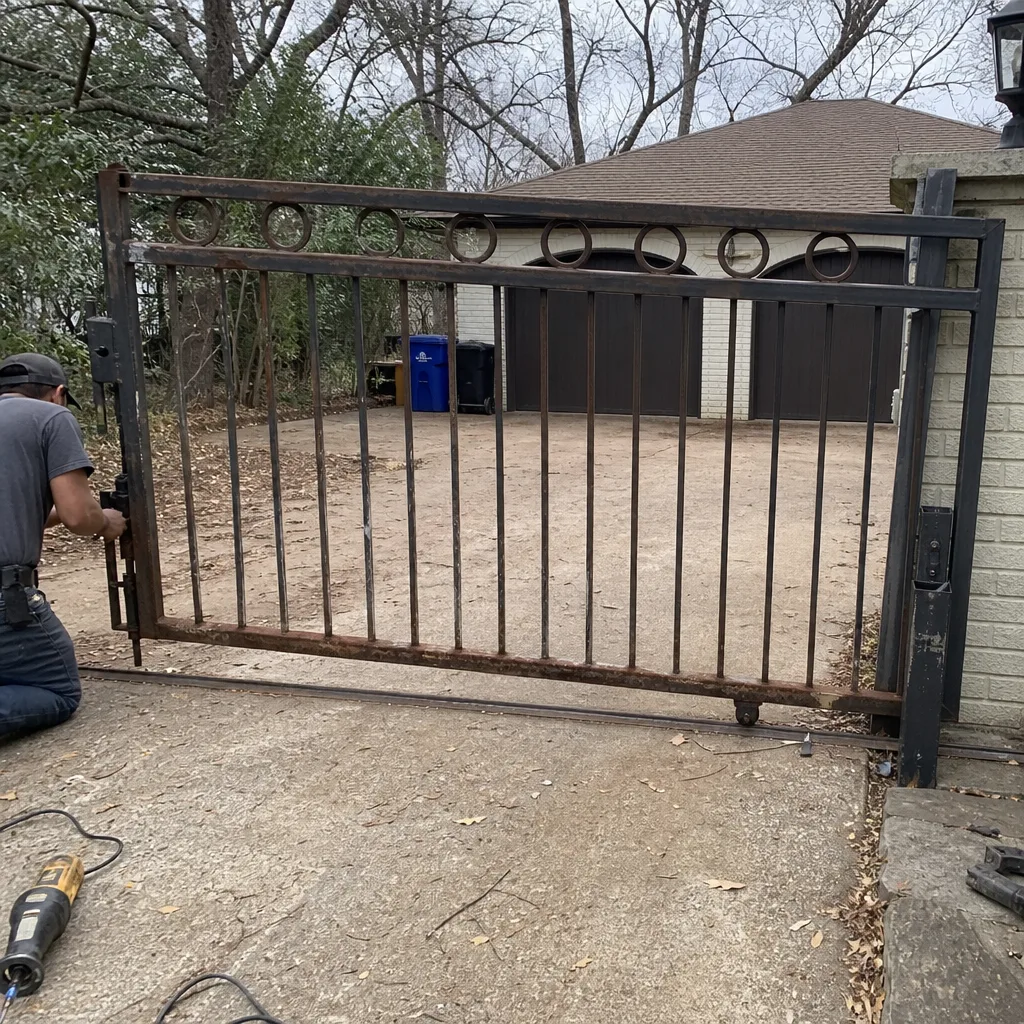 Before
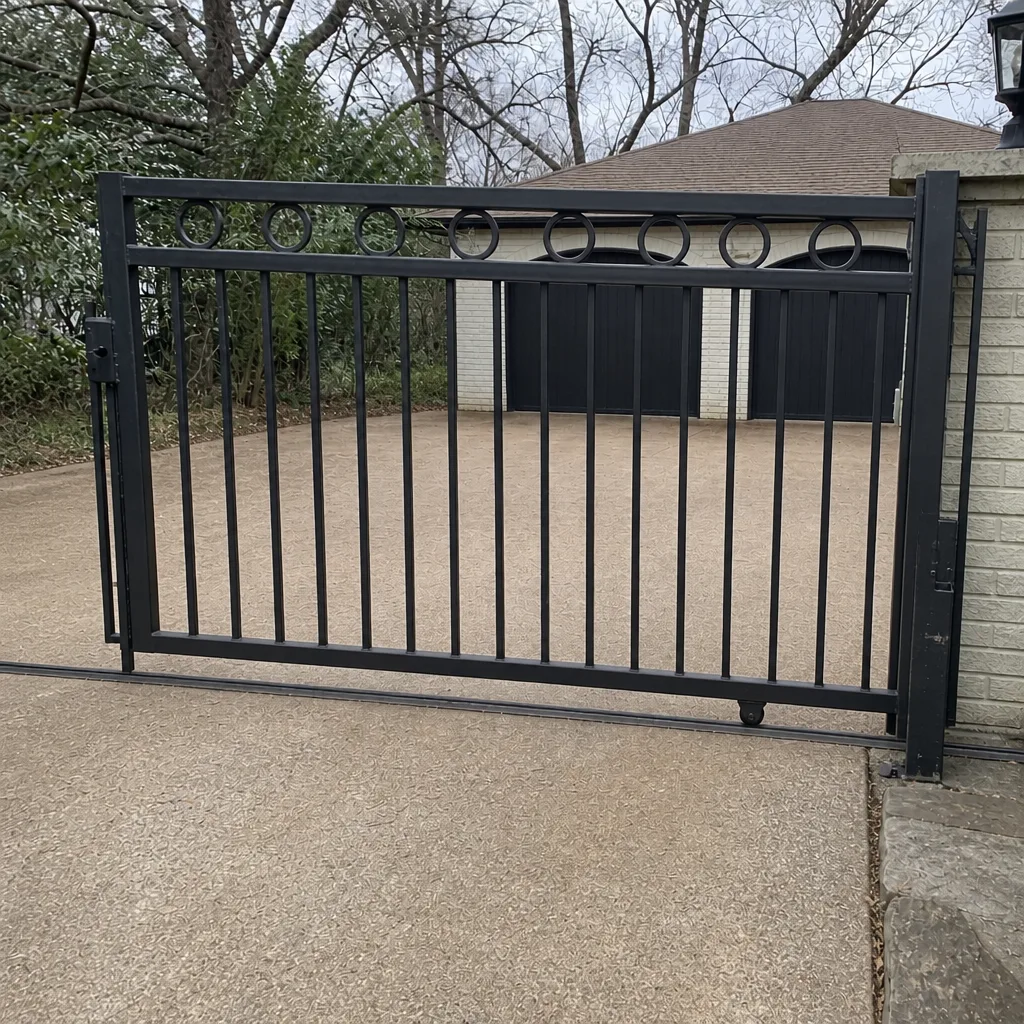 After
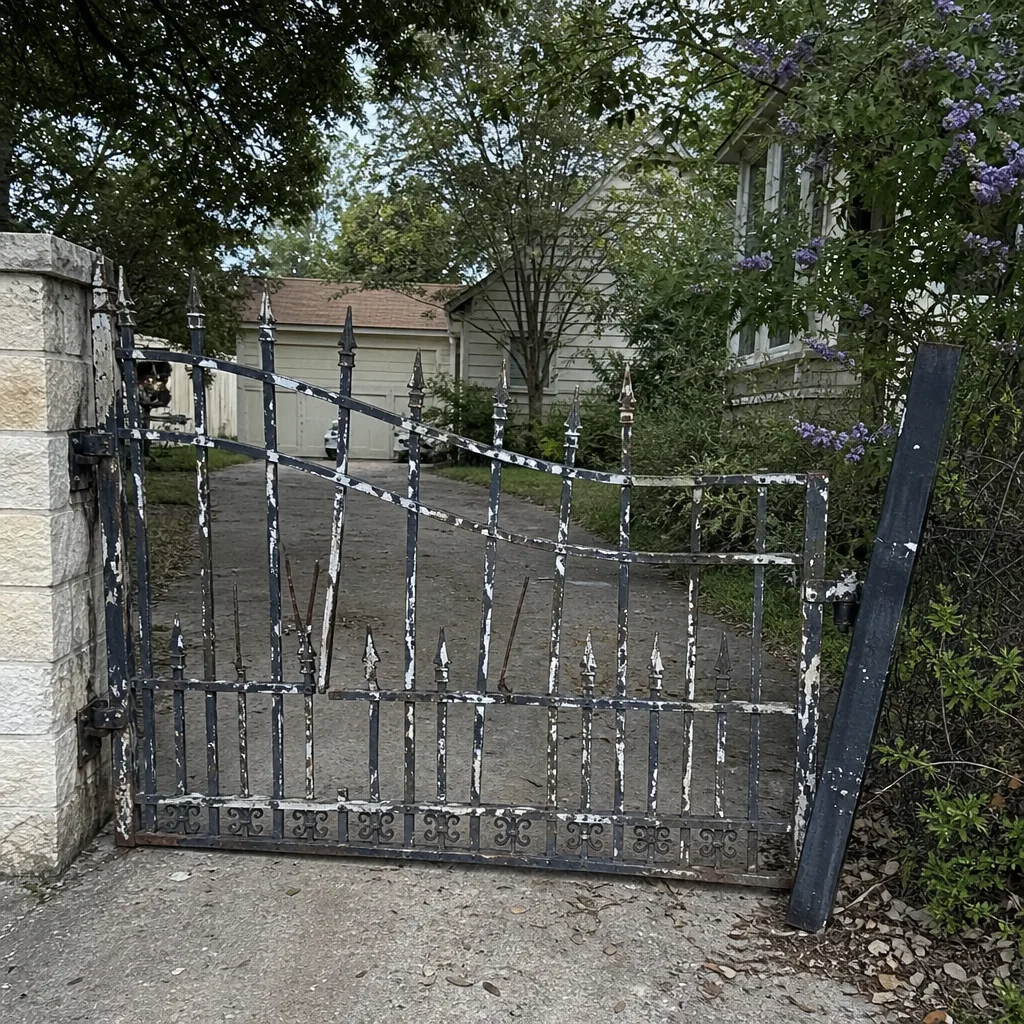 Before
 After
 Before
 After
When to Call a Professional
Some brand questions can be answered with research. Others need eyes on the gate and a working knowledge of the operator. Call a professional when:
- An existing operator fails and you don’t know the brand or installed model.
- A gate runs, reverses, or stops unexpectedly. Safety device or board issues are not a homeowner troubleshooting exercise.
- You’re replacing an operator and aren’t sure the new unit will size correctly to the gate.
- A control board has failed and you want a repair timeline before you commit to replacement.
- Your gate’s power run, safety edges, or operator wiring need attention. These are genuinely dangerous; a trained professional should handle them.
Gate Repair Georgetown offers free estimates in Georgetown. Call (833) 408-4022. We answer 24/7. Fast dispatch from 7am to 7pm, Sunday through Friday.
Frequently Asked Questions
There’s no single best brand. The right brand for a Georgetown home depends on gate weight and width, real daily cycle count, parts availability in the central Texas corridor, and UL 325 compliance. A well-sized LiftMaster or Elite operator often fits standard residential swing gates, while a Mighty Mule can work when right-sized for light use and shaded from summer heat. Call (833) 408-4022 for an exact recommendation; estimates are free.
We work across a broad range of gate operators, from residential to commercial, and we’re fluent in the brands most common in Georgetown. If we can identify your operator, we can typically diagnose it and either source parts or recommend a replacement. Call (833) 408-4022 with the brand name if you know it.
UL 325 is the safety standard for gate operators and requires that they operate with specific entrapment protection devices such as safety edges and photocells, which stop or reverse the gate when an obstruction is detected. In practice it protects people, vehicles, and pets from a gate closing on them, and it’s the non-negotiable filter when evaluating any brand. Call (833) 408-4022 if you’re unsure whether your operator meets it.
Parts availability matters because a failed operator that waits days for a replacement board leaves the gate locked longer. Georgetown sits in the central Texas parts corridor, so brands with distribution reachable from Austin ship and repair faster than brands with only out-of-state stock. Ask where replacement boards ship from before you commit to a brand. Call (833) 408-4022 for a repair timeline on your operator.
It depends on the operator’s age, cycle count, safety device compatibility, and whether parts are still available. A well-built operator with a single failing component is usually worth repairing. An operator that’s been under-sized for its gate or is on a discontinued platform is often worth replacing. We can inspect and give a written recommendation. Call (833) 408-4022 – estimates are free.
Georgetown summers sit above 95°F for extended stretches, and sustained heat accelerates wear on control boards, capacitors, and motor windings. Operators with larger thermal headroom and a shaded, ventilated enclosure hold up better than entry-level units in direct afternoon sun. Matching the operator to your cycle count and placement protects any brand. Call (833) 408-4022 to discuss the right fit.
The Bottom Line
Brand selection for gate repair and replacement in Georgetown comes down to four filters, applied in order: UL 325 compliance, parts availability in the central Texas corridor, an operator sized to your gate’s weight and real cycle count, and installer familiarity that shortens future repairs. National reviews and marketing reach rank below all four. The right brand isn’t the most advertised; it’s the one that fits your gate and stays serviceable where you live. We work exclusively in gates, and we’re at Gate Repair Georgetown whenever you need a written estimate or a diagnosis. Call (833) 408-4022. We answer 24/7. Fast dispatch from 7am to 7pm, Sunday through Friday.
Written by the team at Gate Repair Georgetown.