
Last updated November 15, 2026
 Wrought iron
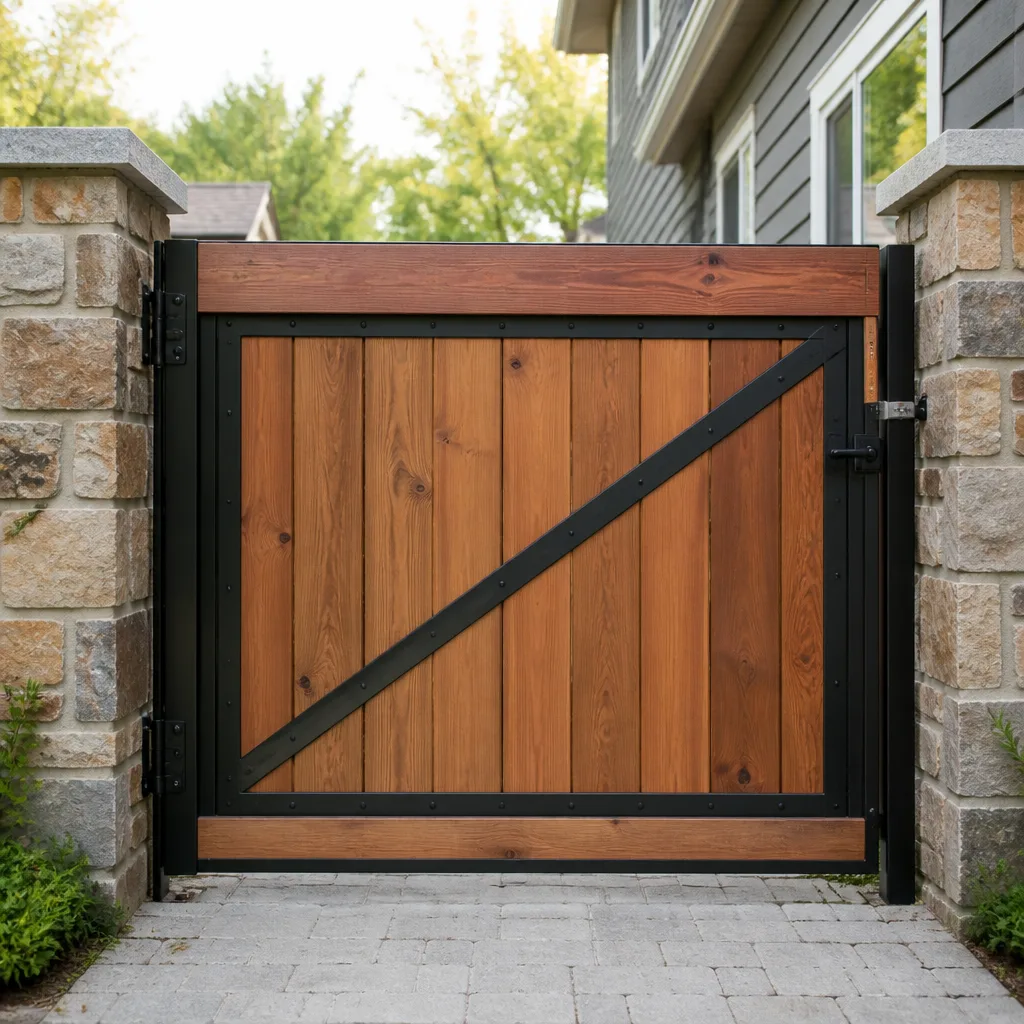 Wood & steel frame
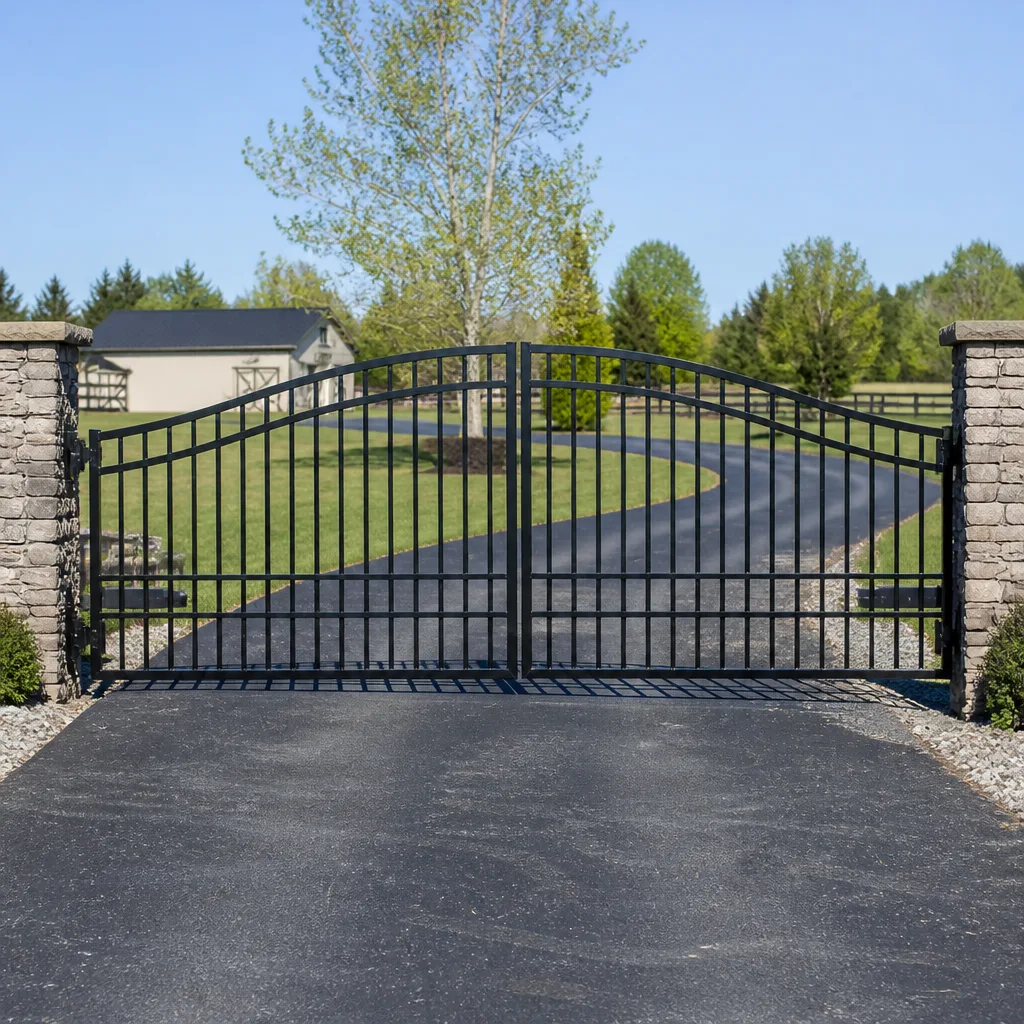 Farm & ranch
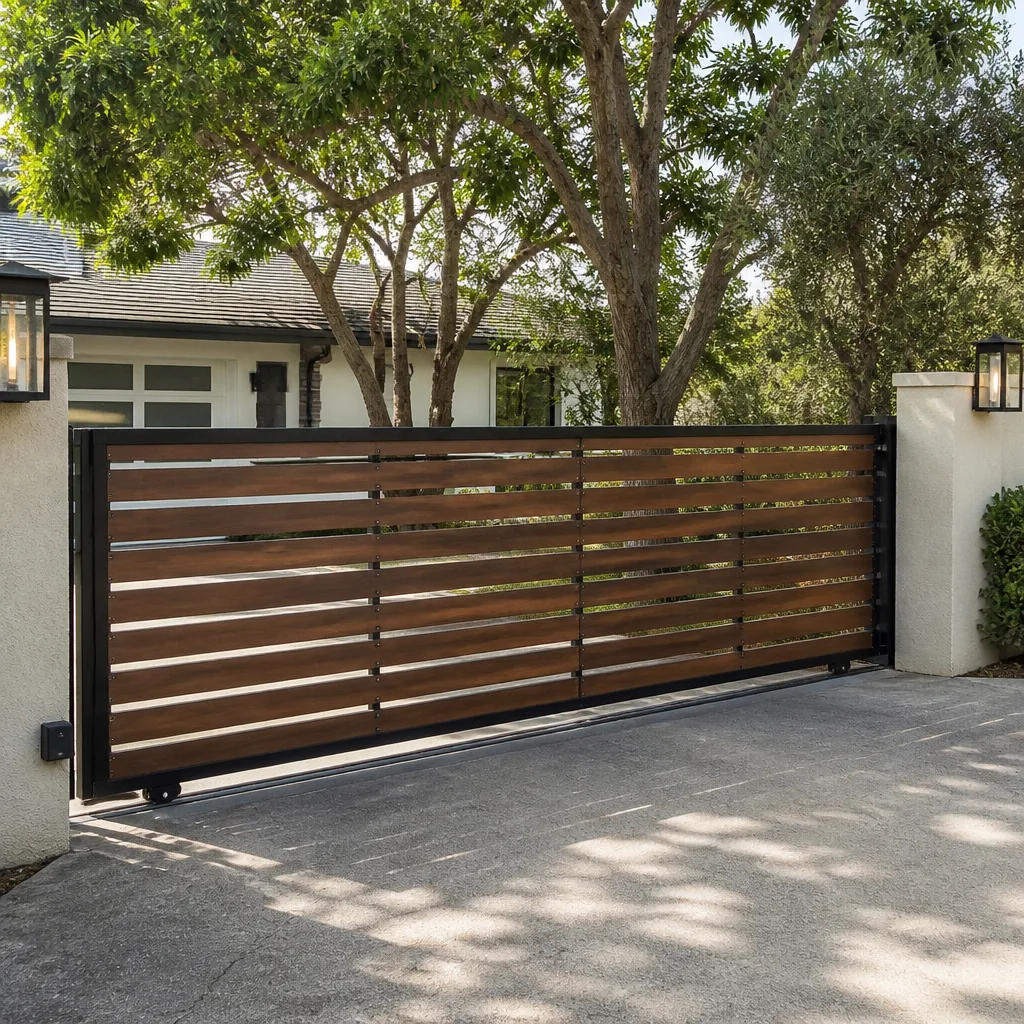 Sliding driveway gates
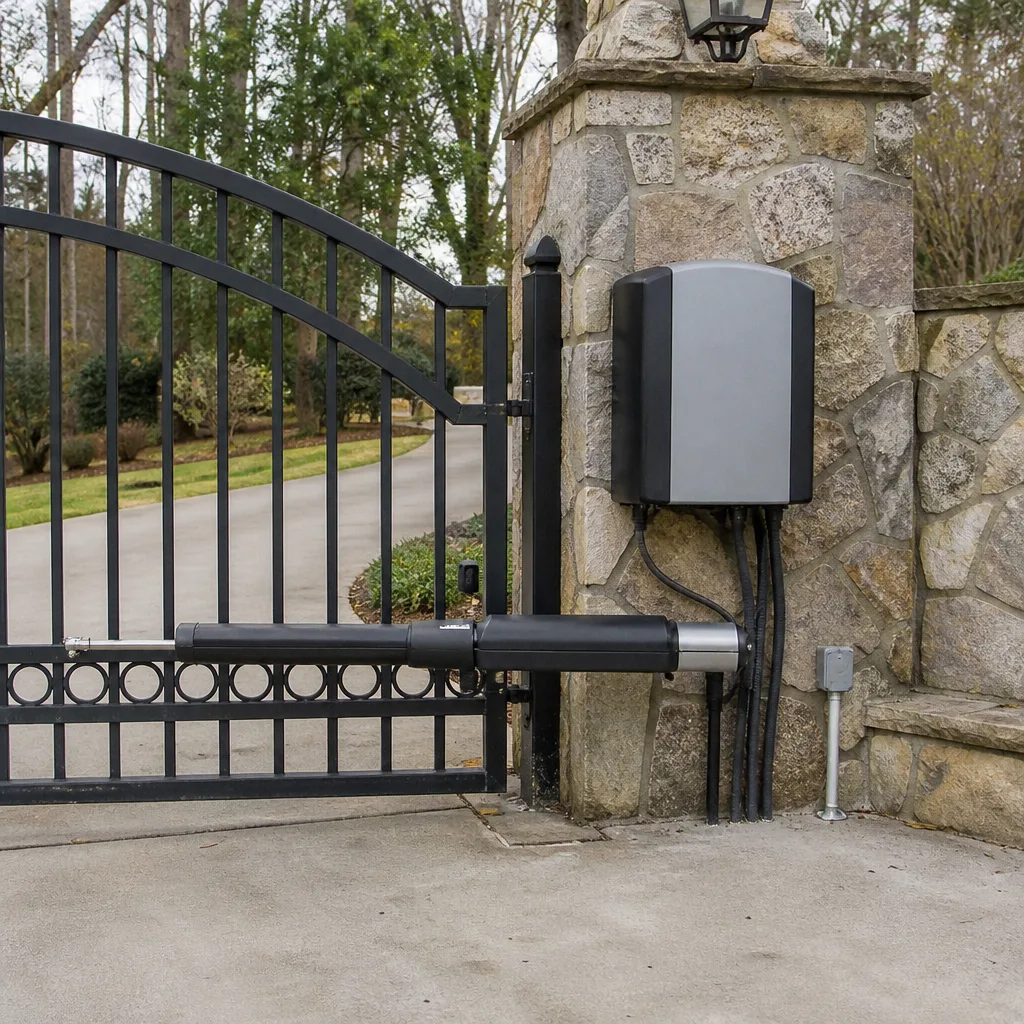 LiftMaster operators
Free on-site gate assessment - hinges, posts, and your LiftMaster or Nice gate operator checked before anything is quoted
The assessment is free and the quote is the invoice.
Get your free estimateHow to Hire a Gate Repair Contractor in Georgetown: A Step-by-Step Guide
Ask any contractor you’re considering to name three common failure modes on a LiftMaster LA500 arm operator. If they pause, you’re talking to someone who installed one once, not someone who services them regularly. That single question sorts a gate specialist from a generalist faster than any license check. Gate work looks simple from the driveway: a panel swings open, an operator hums, a keypad beeps. The systems behind that motion are not simple, and the people who fix them well are not interchangeable with handymen who “also do gates.” This guide gives you the questions, the verification steps and the red flags that separate a real gate technician from a side-service operator in Georgetown.
You’ll learn what to ask before anyone arrives, how Texas licensing and insurance actually work for gate work, how to vet a quote line by line, and what a written warranty should contain. By the end, you’ll know exactly how to hire a gate repair contractor in Georgetown without paying twice for the same problem.
Quick Answer
To hire a gate repair contractor in Georgetown, verify three things before booking: that the contractor specializes in gates rather than treating them as a side service, that they can name specific failure modes on your brand of operator (LiftMaster, FAAC, DoorKing, Elite, Viking, Ghost Controls, BFT, Linear or Mighty Mule), and that they’ll give you a written quote with itemized parts and labor before starting. Ask for proof of liability insurance, confirm their warranty in writing, and reject any quote with vague line items or a diagnostic fee that only disappears if you hire them.
Styles & brands we work with
- Wrought iron
- Wood & steel frame
- Farm & ranch
- Sliding driveway gates
- LiftMaster operators
Table of Contents
- Why a Gate Specialist Beats a General Contractor
- The Technical Questions That Expose Shallow Experience
- What Licensing and Insurance Actually Cover in Texas
- How to Verify a Contractor Services Your Brand
- Red Flags in a Gate Repair Quote
- What a Legitimate Repair Warranty Looks Like
- The Seven-Step Hiring Process
- Common Mistakes to Avoid
Why a Gate Specialist Beats a General Contractor
A gate specialist diagnoses gate failures every working day. A generalist runs into them maybe a few times a year, usually between fencing jobs and driveway work. That frequency gap matters more than any credential, because gate repair is a diagnostic trade first and a mechanical one second. The operator, the panel, the hinges, the track, the safety edges, the power supply, the control board and the receiver all sit in a chain, and a fault anywhere in that chain produces nearly identical symptoms. An operator that opens halfway and reverses could have a bad limit switch, a slipping clutch, a misaligned photo eye, a failing board or a voltage problem at the transformer. The technician who has seen this exact failure on that exact operator family will go straight to the likely cause. The technician who hasn’t will start swapping parts.
Parts familiarity is the second gap. Knowing where a specific control board sits on a DoorKing operator, or how a Ghost Controls receiver behaves when the remote battery dies, saves hours of guesswork. When a contractor services gates only occasionally, they don’t keep that knowledge sharp. They guess, and you pay for the guess.
The third gap is coverage through the full lifecycle. A gate doesn’t stop needing attention after a repair. It needs a technician who also handles installation and automation. If the specialist who fixes your swing gate today is also the one who would install a new slide gate tomorrow, you’ve eliminated the second contractor call. That continuity is one reason gate specialists are worth seeking out in Georgetown, where property types run from small residential swing gates to high-cycle commercial operators and the right technician needs to move between them without starting from scratch.
When you filter by specialization, you also filter by accountability. There’s no ambiguity about whose job the gate was. It’s the specialist’s, start to finish. For gate repair work especially, that clarity is worth more than a lower bid from a contractor who splits attention across unrelated trades.
The Technical Questions That Expose Shallow Experience
The fastest filter for shallow gate experience is a technical question with a specific answer. Any real gate technician will answer it without hesitation. A generalist will either stall or recite something they read. Here are the questions to ask, what a good answer sounds like, and what a bad one sounds like.
- “Name three common failure modes on a LiftMaster LA500 arm operator.” A gate technician should mention the control board, the limit switches and the gear assembly, or the arm pivot and clutch, without pausing. A vague answer (“they wear out”) signals they’ve installed one but never serviced one.
- “What’s the difference between a photo-eye fault and a limit switch fault on a swing operator?” Photo-eye faults stop the gate mid-travel and often reverse it. Limit switch faults cause the gate to overrun, stall or refuse to open at all. If the technician can’t separate these, they’ll diagnose by swapping parts.
- “How would you test a Ghost Controls receiver that won’t respond to a remote?” A good answer covers the battery, the learning procedure and the receiver board itself, in that order. A weak answer goes straight to “probably the board.”
- “Do you work on DoorKing commercial operators as well as residential systems?” If their experience stops at residential DIY-grade operators, they shouldn’t be diagnosing a commercial installation. Confirm the range before booking.
- “How do you handle a slide gate that’s come off its track?” The answer should cover the roller assembly, the track alignment and the weight of the gate. A technician who talks like a gate weighs almost nothing is a warning sign.
- “What are your safety-edge requirements for an automated swing gate?” They should know how the safety edges and photo eyes tie into the operator, and why the wiring and control logic matter for the panel and the operator.
The pattern behind all six is this: real gate technicians explain the why, not just the fix. They name specific components, specific symptoms and specific interaction between them. If every answer circles back to “we’ll take a look,” you’re not getting a diagnosis. You’re getting an appointment. When we talk to homeowners in Georgetown about their gate failures, that clarity is the difference between a technician arriving already on the likely cause and a technician arriving to start from zero.
Ask these questions on the phone, before you book. It costs nothing and saves hours. If the answers are specific, you can move on to the licensing and insurance checks with confidence.
What Licensing and Insurance Actually Cover in Texas
Texas does not issue a general contractor license for gate repair work, so a contractor claiming a “specialist gate license” is likely stretching. What you can and should verify is the contractor’s business registration through the Texas Secretary of State, any required local permits for structural or electrical work, and a current certificate of general liability insurance. Ask for the certificate directly and check the effective dates. A contractor who can’t produce one today is not a safe hire for work involving automated operators and powered components.
- Liability insurance covers damage to your property or a third party during the job. Ask for the certificate of insurance and confirm the dates are current.
- Workers’ compensation matters if someone other than the owner will be on your property. Ask whether it’s carried, and request confirmation in writing for any subcontractor.
- Local permits apply to certain installations, particularly new gates or major structural work. Ask your contractor to confirm which permits apply before scheduling; the city’s building department is the correct source for specifics.
- A general contractor “license” in Texas doesn’t apply here. If a contractor advertises a specialist gate license, ask which agency issued it and how to verify it. A vague answer is a red flag.
Insurance protects you in two ways: if property is damaged during the repair, and if someone is injured on your property. The certificate of insurance is the proof. Ask for it before the technician arrives. Any legitimate operation carries it and provides it without a fuss.
What insurance does not cover is diagnostic capability. A contractor can be fully insured and still not know how to diagnose a specific operator family. That’s why the verification step carries equal weight with the licensing check. For a broad overview of how a specialist handles drawn-out issues, the electric gate repair page describes the diagnostic approach we use; for contractor credentials in the immediate area, the Georgetown page covers the local picture. Both checks together are what keep a repair from turning into a second repair.
How to Verify a Contractor Services Your Brand
Any contractor can claim to “service all brands.” Verifying that claim takes ten minutes and one or two phone calls. The three checks below will confirm whether their brand experience is real or aspirational.
- Ask for a brand-specific. customer reference. Not a general review, a reference from a customer whose operator matched yours. A real specialist can name the brand and the type of system they’ve serviced without hesitation.
- Call the manufacturer’s dealer locator. LiftMaster, FAAC, BFT, Linear, Viking, Ghost Controls, DoorKing, Elite and Mighty Mule each maintain some form of dealer or service network. A genuine service relationship will show up. If the manufacturer has no record of a relationship, ask the contractor to explain their experience anyway; brand knowledge can exist outside the dealer network, but it should be specific.
- Check the warranty registration. For a newer installation, ask the contractor how the manufacturer warranty was registered. A contractor who registered it will be able to walk you through the paperwork. A contractor who didn’t register it may not be brand-familiar at all.
These three checks shortlist the field fast. A Gate Repair Georgetown technician will name a customer with a DoorKing unit and be able to discuss the control board behavior without a second call. Someone who installed a Mighty Mule once and moves on won’t survive the first question.
When the checks confirm the brand experience, the hiring decision moves from faith to a basic verification. That’s the standard to hold yourself to.
Red Flags in a Gate Repair Quote
A quote with vague line items or unclear labor is a quote designed to grow. Here are the patterns that show up in problem quotes, and what each one usually signals.
- Vague line items. “Gate repair, labor and materials: $X” tells you nothing. A good quote lists the parts, the labor, and a description of the work in plain language, so you can compare and check what each item covers.
- Parts markup buried in labor. If parts appear on the quote but the labor number is also high, ask which labor covers what. A specialist will separate parts cost from labor hours cleanly; a generalist often can’t.
- A diagnostic fee that disappears if you hire them. This “vanishing fee” is a red flag. A diagnostic fee should be stated clearly, not dangle as a discount for hiring the same contractor. If it disappears, it was never a real diagnostic fee.
- No itemized parts list. A quote that names a brand part without a model or a description is a quote that can’t be verified. Ask for the part description, and ask whether the quoted part matches your operator.
- “We’ll need to come look at it first.” Before pricing, an on-site assessment is normal. But if the contractor can’t give you a ballpark by phone after describing your system, they’re likely not a gate specialist.
- Quotes that change after arrival. The written estimate should be agreed before any work starts. If the number moves after the technician is on your property, walk away.
One pattern cuts across all six: a quote that hides details is a quote that assumes you won’t review the invoice. Read every quote with that in mind. When the line items are clean and the price is agreed before work starts, you’re talking to someone who won’t surprise you afterward.
What a Legitimate Repair Warranty Looks Like
A written warranty should name the parts covered, the labor covered, the duration and the exclusions. It should also state what happens if the repair fails within the covered period. Verbal assurances are not a warranty, and if the contractor declines to put it in writing, that’s the answer.
A legitimate repair warranty in Texas will typically cover the specific part replaced, and in most cases the labor involved in the original installation, for a stated period. It will exclude damage caused by misuse, storm damage, power surges and normal wear that isn’t tied to the specific repair. The best warranties state the exclusions plainly. If a warranty document doesn’t say what’s not covered, ask the contractor to say it in writing. A specialist will add that without hesitation; a generalist usually won’t.
Before signing anything, confirm these four items:
- The part name and brand, so you can verify it against the operator you own.
- The covered period, in days or months, stated on the warranty sheet.
- Whether labor is included in the covered period or only the part.
- The callback process, and who to call if the fault returns inside the warranty window.
A written warranty that names the part, the duration and the callback process is a clear signal of a contractor who expects to do it right the first time. A verbal “we stand behind our work” is not. Ask for the paper version and read it before the technician leaves.
Property managers in Georgetown should ask for the warranty as part of the quote, not as an afterthought. The same four items apply whether the gate is residential or commercial. For commercial operators running high daily cycles, the warranty is where the specialist’s confidence shows.
The Seven-Step Hiring Process
Here’s the sequence to run for any gate repair contractor in Georgetown. It works for residential swing gates and commercial slide gates alike.
- Describe the symptom over the phone and ask for a ballpark. If they can’t give a range without a site visit, note it. The best specialists will give you a rough range based on the symptom and the operator brand.
- Ask the technical question. A single question on a specific brand, whether that’s a LiftMaster, a FAAC, a Viking or an Elite, will separate a specialist from a generalist. Listen for component names and symptom behavior.
- Request the certificate of insurance. Get the general liability certificate and note the coverage. Confirm it’s current and matches the business name on the quote.
- Ask for a written quote with itemized parts and labor. The written estimate should set the final price. Confirm the work will be quoted and agreed before anyone starts.
- Ask for the warranty in writing. Get the part name, the covered period and whether labor is included. Verbal only is a red flag.
- Check the brand claim. Call the manufacturer’s dealer locator or ask for a customer reference on your brand. One call goes a long way.
- Book the visit and confirm the dispatch window. Confirm the date and the arrival window in writing before the technician comes out.
The seven steps are the whole process. None of them takes long, and together they filter out most of the risk. When you run through this for a Gate Repair Georgetown visit, the questions are the same ones we ask when we diagnose a gate over the phone: brand, symptom, and whether the fault is cosmetic or safety-critical. That consistency keeps the process honest.
Common Mistakes to Avoid
- Hiring a handyman who “also does gates.” A general handyman can adjust a hinge, but the operator is a control system. Diagnosing a failing control board needs a technician who sees them every day.
- Skipping the brand question because the contractor seems knowledgeable. General knowledge and brand-specific knowledge are different. A technician might know gates broadly but never have opened a Ghost Controls receiver. Ask the question.
- Accepting a verbal quote with no line items. A quote without itemized parts and labor can’t be checked and often grows after the work starts. Insist on the written version, and read it before booking.
- Overlooking the safety edges. Safety edges are not optional extras. If your gate operator has a fault that bypasses them, that’s a priority repair, not a convenience fix.
- Not putting the warranty in writing. A verbal “we’ll cover it” is worth nothing on a second visit. Get the warranty sheet and keep it.
- Assuming the neighborhood rules are the same everywhere in Georgetown. HOA guidelines and city permit requirements for gates vary by area and by gate type. Ask the contractor which permits apply before any installation.
- Letting a “temporary fix” become the permanent one. A bypassed safety, a suspended photo-eye or a jumpered operator can leave the gate working while the safety system is compromised. Fix the underlying fault before calling it done.
See the difference
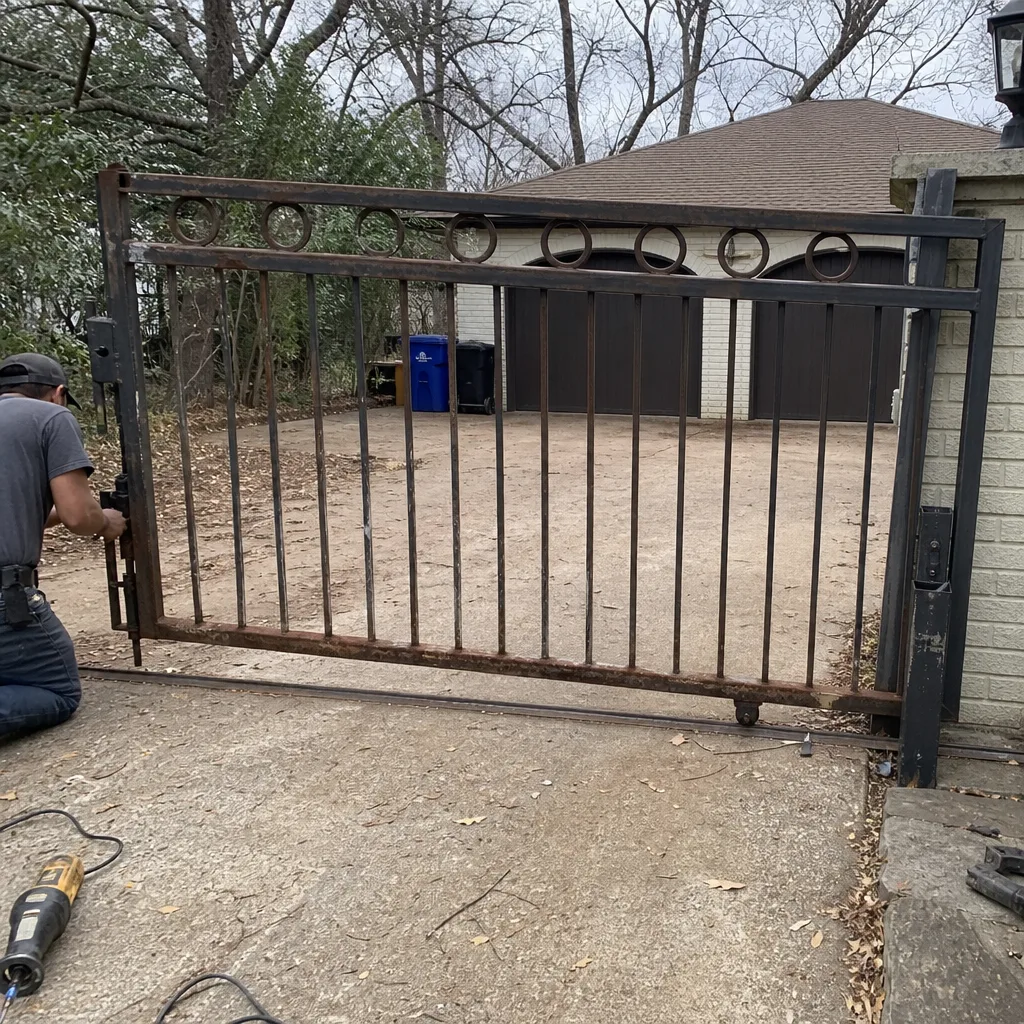 Before
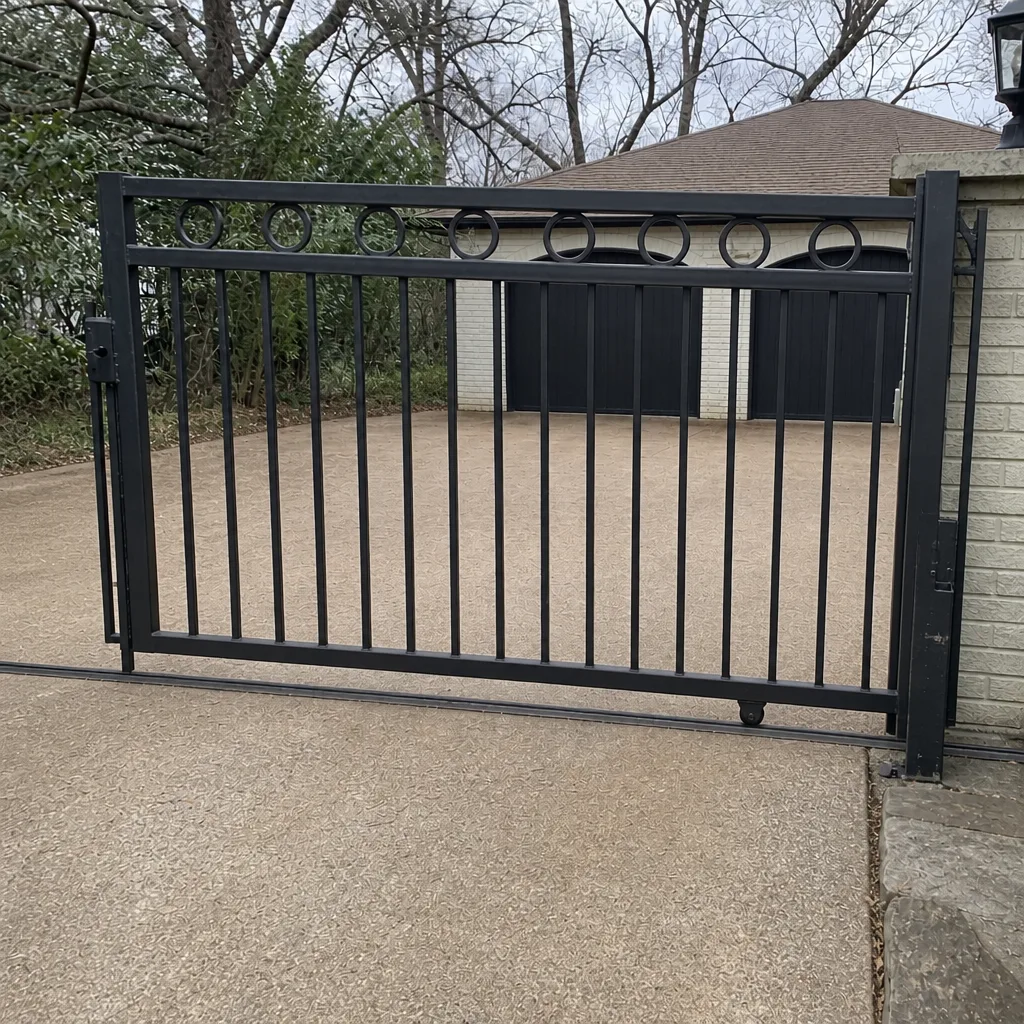 After
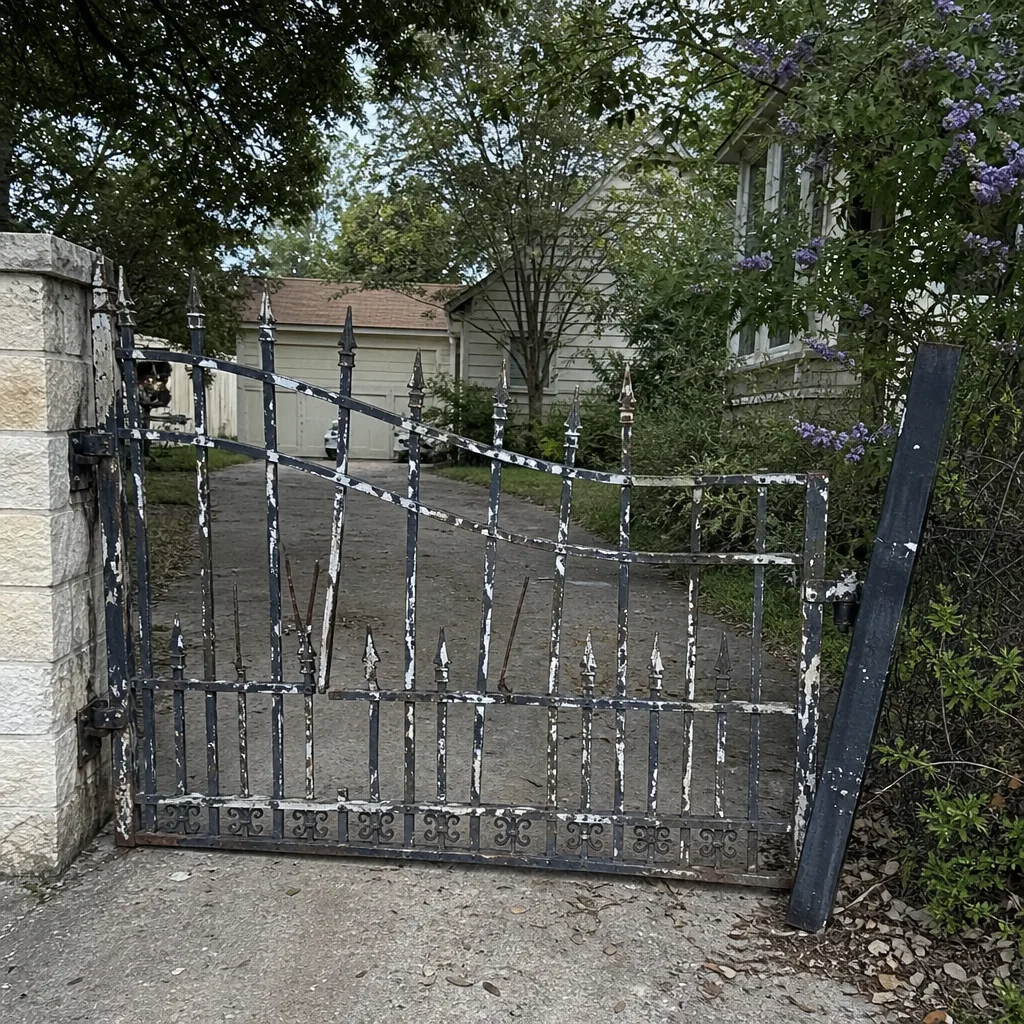 Before
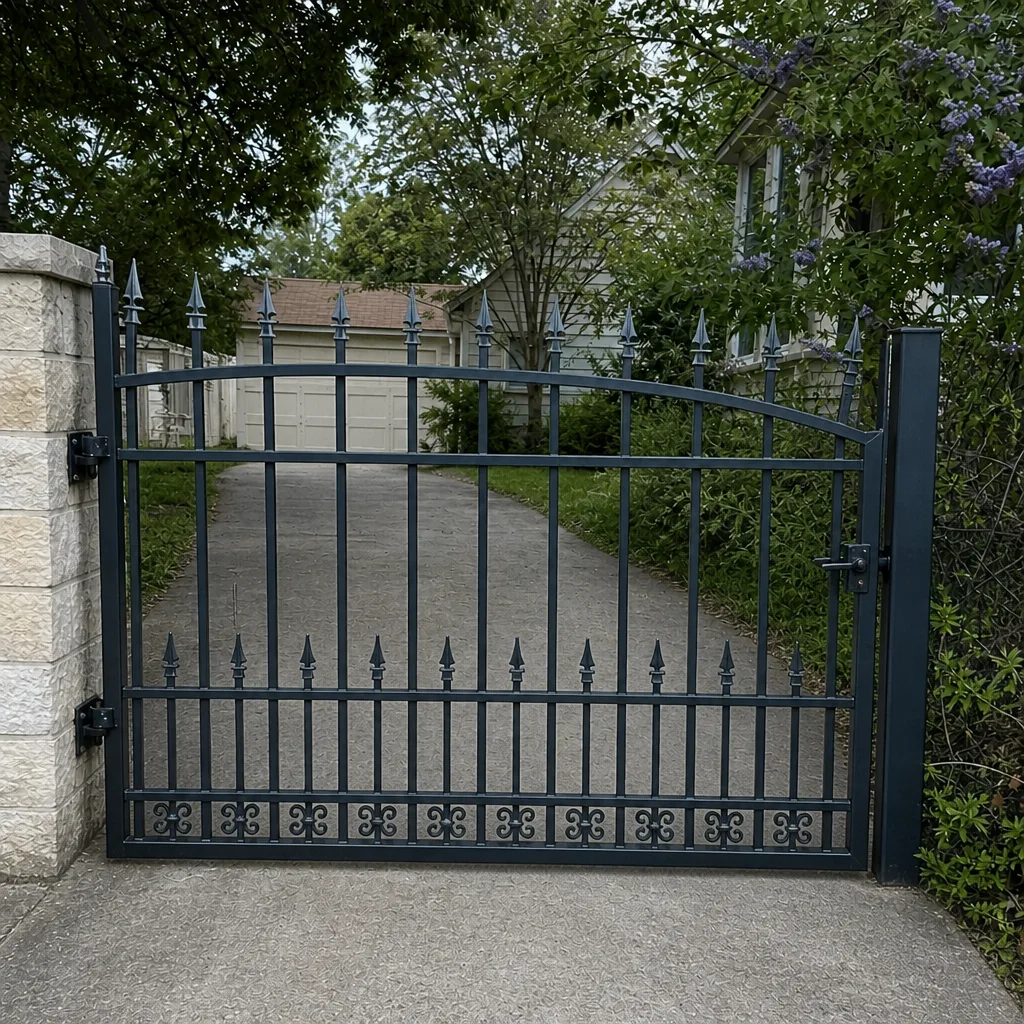 After
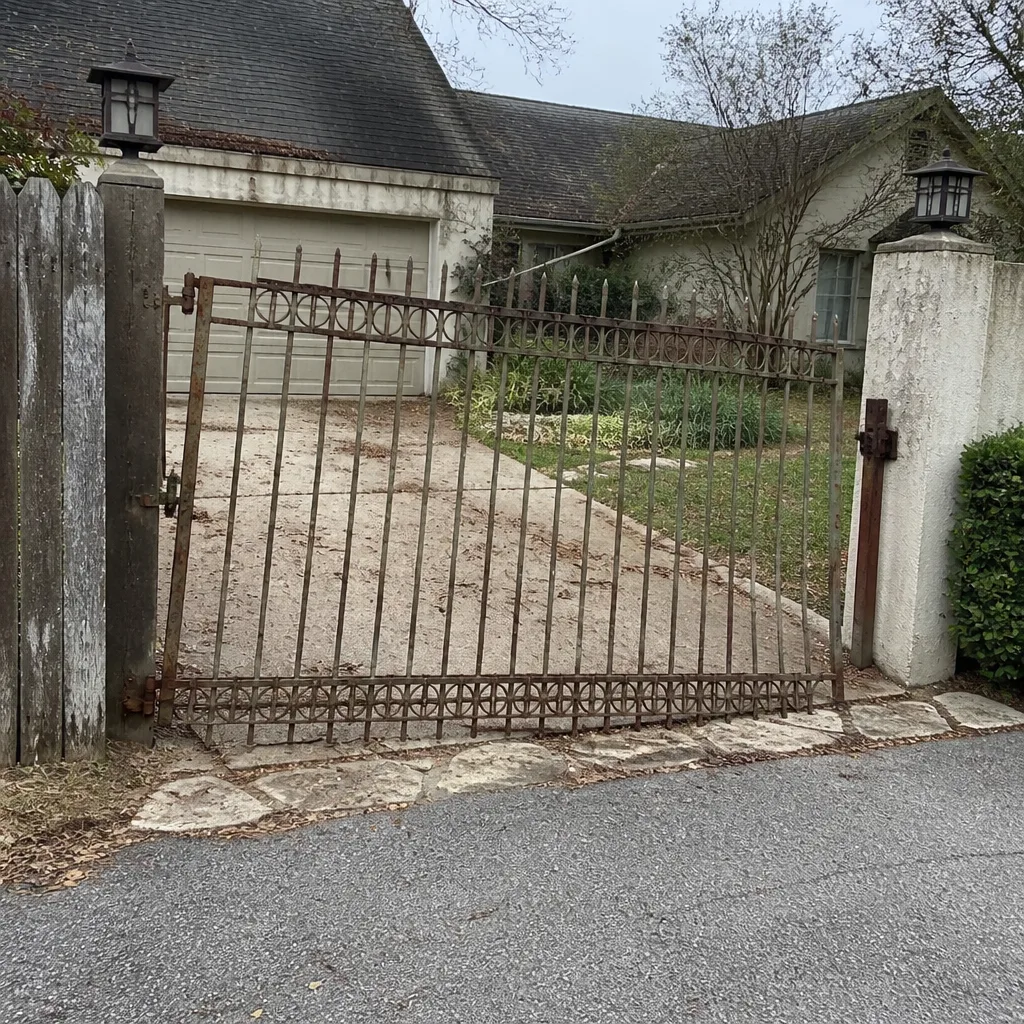 Before
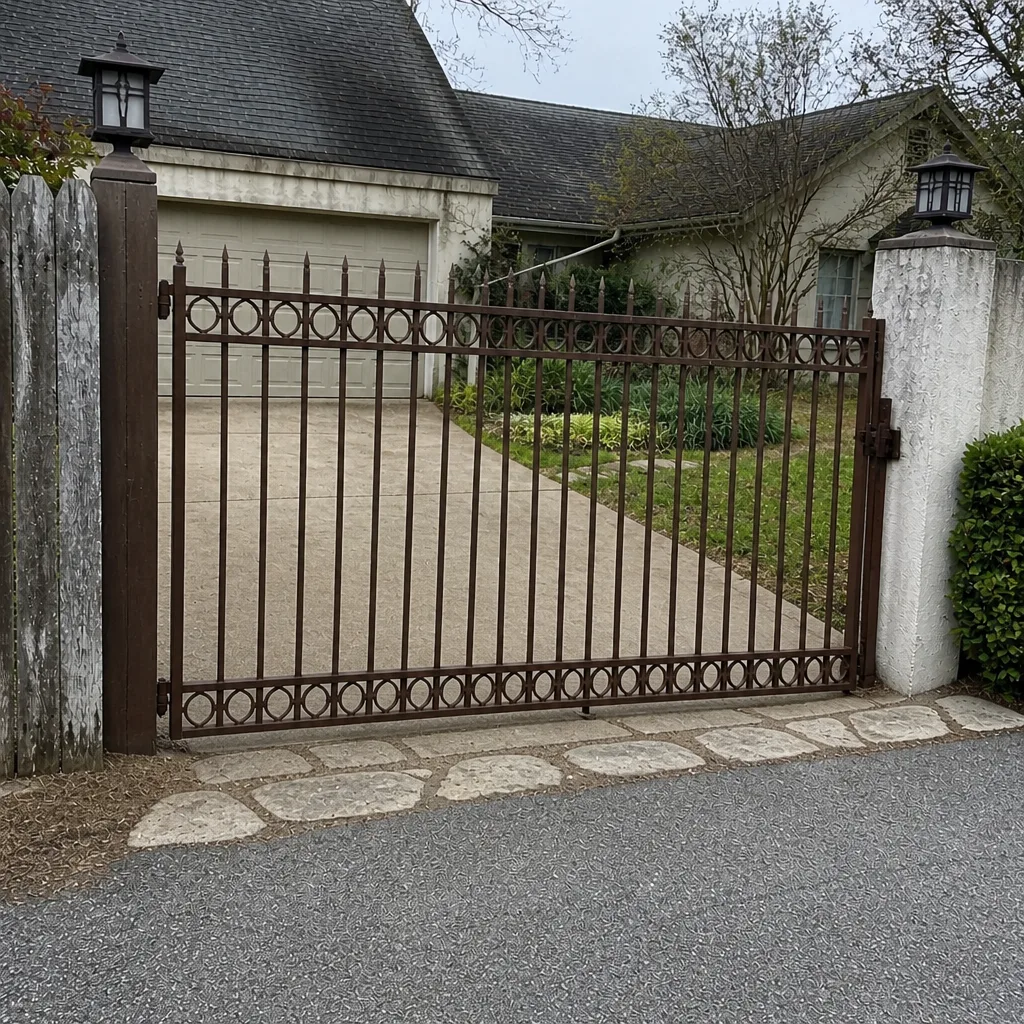 After
When to Call a Professional
Call a professional gate technician when the operator won’t reverse, the gate travels past its limits, the remote stops working across the whole receiver, the gate comes off the track, the safety edges stop responding or the panel begins dragging or grinding. Those symptoms point to faults in components that carry force and electronics, and opening them without training risks serious injury. A heavy gate panel that swings or slides under power can cause harm, and the operator’s wiring and power supply carry live current. That’s the moment to stop and call a professional.
Gate Repair Georgetown offers free estimates in Georgetown. Call (833) 408-4022. We answer 24/7. Fast dispatch from 7am to 7pm, Sunday through Friday. The price is set per job based on the written estimate, agreed before any work starts.
Frequently Asked Questions
Verify three things before you book: that the contractor specializes in gates rather than treating them as a side service, that they can name specific failure modes on your brand of operator, and that they’ll give you a written quote with itemized parts and labor before work starts. Also ask for proof of liability insurance and confirm the warranty in writing. Running that shortlist takes an hour and saves a lot of repeat visits. Call (833) 408-4022 for an exact quote; estimates are free.
We can often schedule a same-day visit if you call early and describe the fault clearly. Same-day availability depends on the day, the fault and the operator brand. Call (833) 408-4022 to confirm what’s open. We answer 24/7. Fast dispatch from 7am to 7pm, Sunday through Friday. A call outside dispatch hours is booked into the next opening, Sunday through Friday, 7am to 7pm.
A gate specialist focuses exclusively on gates, repair, electric gate repair and installation, and diagnoses faults across the major operator brands every week. A general handyman moves between trades and handles gates only occasionally, which slows diagnosis and often leads to parts-swapping. For anything involving the operator, safety edges or powered components, use a specialist. Call (833) 408-4022 for a free estimate.
Repair of an existing gate typically does not require a permit, but new installations and structural work may. Requirements vary by gate type and the property’s zoning, so confirm with the city’s building department before scheduling installation work. Ask your contractor which permits apply before you sign. For repair work, call (833) 408-4022 for a free estimate.
Our technicians are trained on LiftMaster, FAAC, BFT, Linear, Viking, Ghost Controls, DoorKing, Elite and Mighty Mule, covering the common residential and commercial operators in Georgetown. Our technicians have up to 13 years of experience across those systems. If your brand isn’t on that list, call and describe the operator; we’ll tell you honestly whether it’s in scope. Call (833) 408-4022 for an estimate.
Yes. We quote the price and agree it with you before any work starts. You get a written estimate with the parts and labor itemized, and the written estimate sets the final price. No surprise invoice. Free estimates in Georgetown: call (833) 408-4022. We answer 24/7. Fast dispatch from 7am to 7pm, Sunday through Friday.
Ask for a brand-specific customer reference, call the manufacturer’s dealer locator, and ask how the warranty on a recent installation was registered. Those three checks confirm real brand experience faster than a website claim. If all three come back vague, keep looking. When you’re ready to book, call (833) 408-4022 for a free estimate.
The Bottom Line
Hiring a gate repair contractor in Georgetown comes down to filtering out generalists before they arrive. Ask the technical question, verify insurance, review the quote line by line, get the warranty in writing, and confirm the brand claim. That process catches the contractors who guess before they cost you a second repair. Gate Repair Georgetown handles gate repair, electric gate repair and gate installation across Georgetown, with free estimates and pricing agreed before work starts. If a technician can answer the operator question on the first call, you’re talking to the right one. Call (833) 408-4022 to get started. We answer 24/7. Fast dispatch from 7am to 7pm, Sunday through Friday.
Written by the team at Gate Repair Georgetown.